Moments in Time
An immersive historical experience that transformed 140 years of Salvation Army history into a walkable narrative through environmental storytelling, interpretive design, scenic environments, media integration, and interactive exhibits.
Project Overview
Size: 3,200 sq. ft.
Timeline: 9 months
Total Embed Track Plays: 45,274 (June 11-13, 2026)
Team: Historians, Fabricators, Sound Engineers, Narrative Producer & Writer, Lighting Designer, Media & Production, Musical Scoring, Narration
Audience: Families, Children, Volunteers, Donors, Employees, Historians, Long-time Salvationists
Disciplines: Experience Design, Environmental Graphics, Interpretive Design
Deliverables: Exhibit, Interactive Media, Wayfinding, Print, Signage
The Challenge
How do you transform over 100 years of history into an experience people won’t forget?
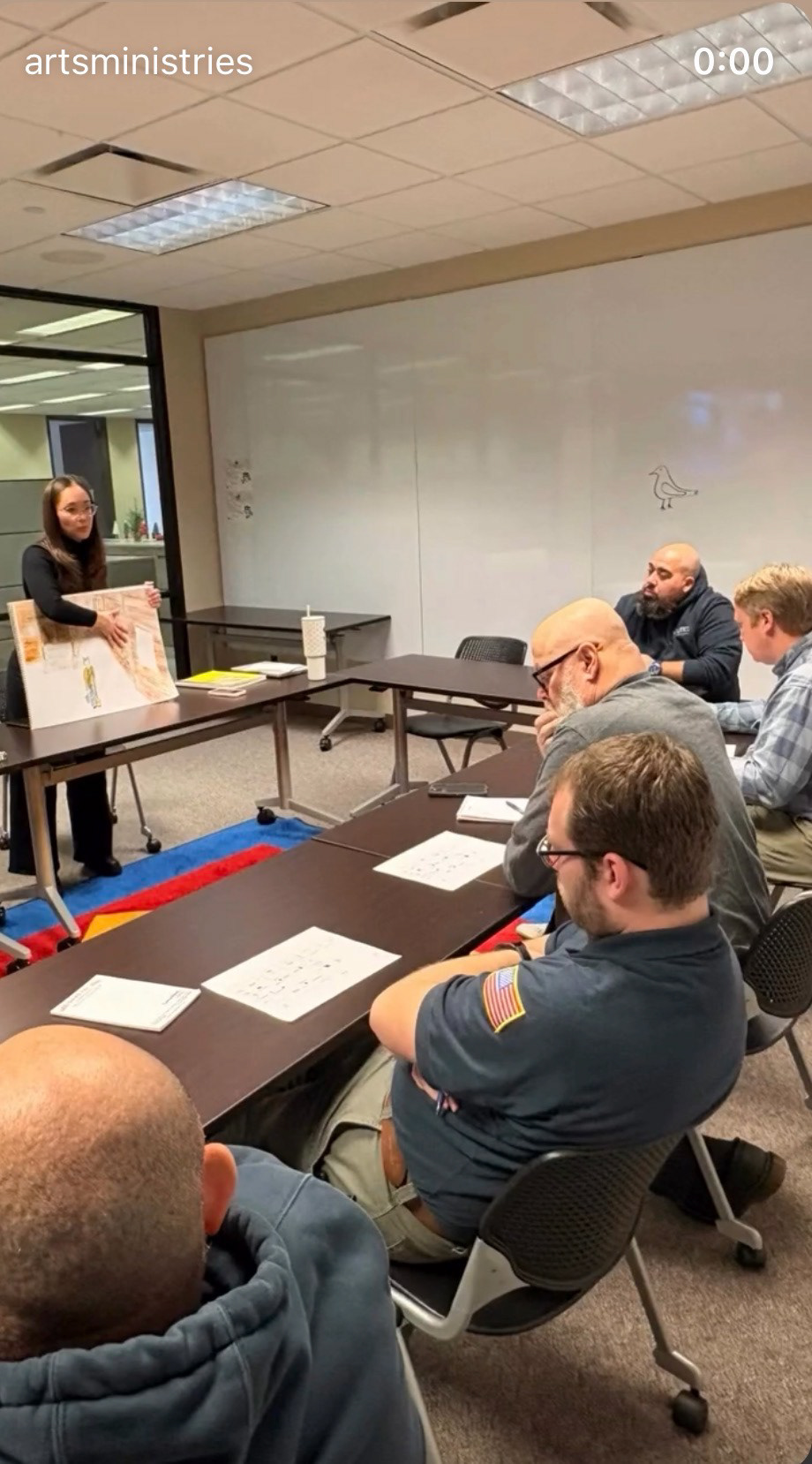
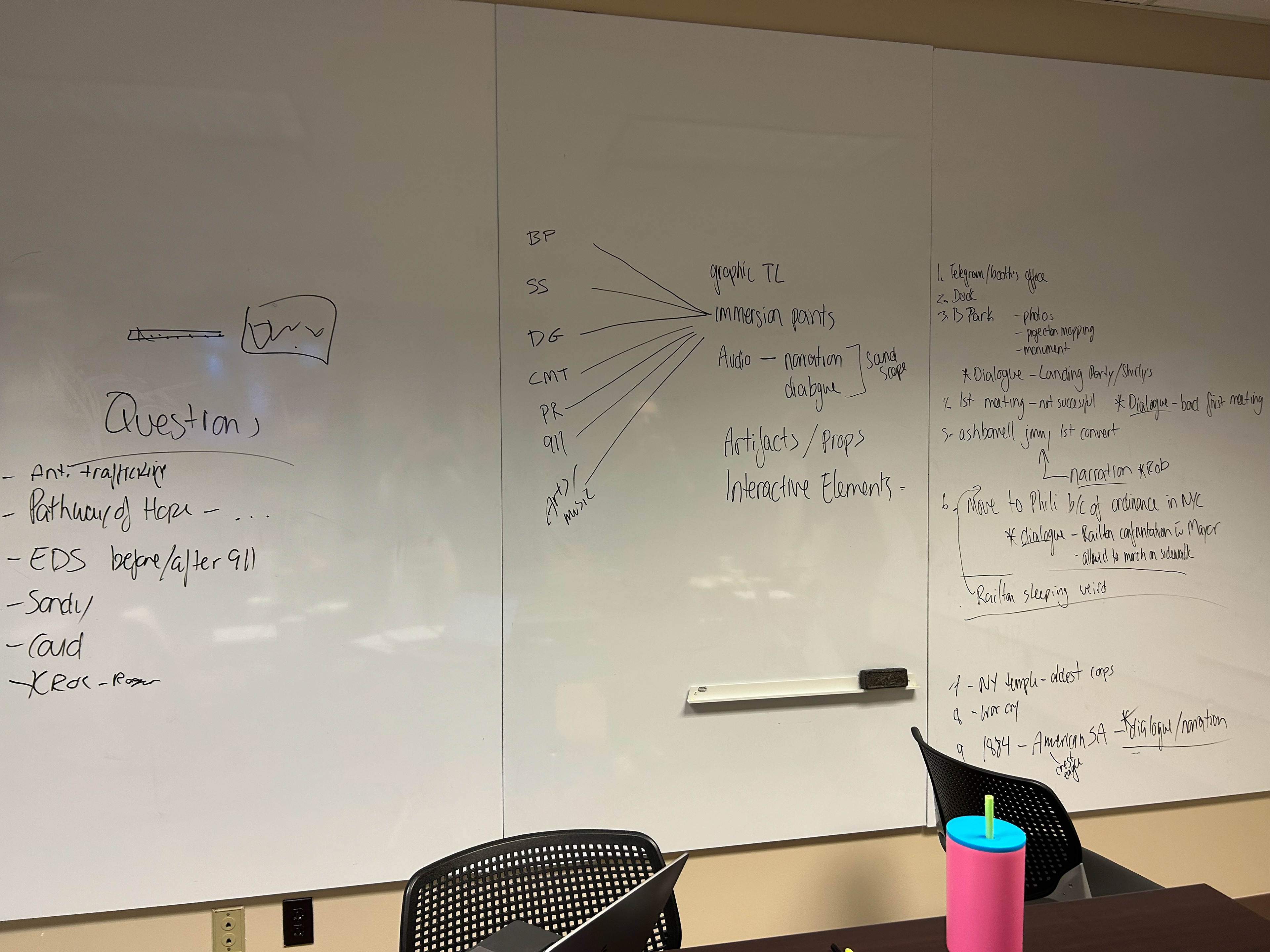
The Moments in Time exhibit was envisioned as more than a historical timeline. It needed to immerse guests in the stories, environments, and defining moments that shaped The Salvation Army’s mission, while creating meaningful opportunities for reflection and connection. From concept to opening day, the project was completed in just nine months by a small internal team, requiring careful planning, cross-disciplinary collaboration, and a highly iterative design process.
Resa's Role
As Lead Experience & Visual Communication Designer, Resa developed the creative vision for the exhibit experience, directing and integrating the visual storytelling, interactive elements, environmental graphics, interpretive design, and fabrication planning into a cohesive narrative. This was accomplished by collaborating closely with an executive producer, historian, scenic fabricators, lighting designers, and media specialists to bring the experience to life.
Constraints & Scope
Key project constraints included:
- Nine-month project timeline from initial concept through public opening.
- Small multidisciplinary team, requiring team members to take on multiple roles throughout the project.
- Conducting extensive historical research while designing the exhibit simultaneously.
- Weekly collaboration with the museum historian to verify historical accuracy and interpret archival materials.
- Reviewing and organizing hundreds of archival photographs, documents, and artifacts for inclusion.
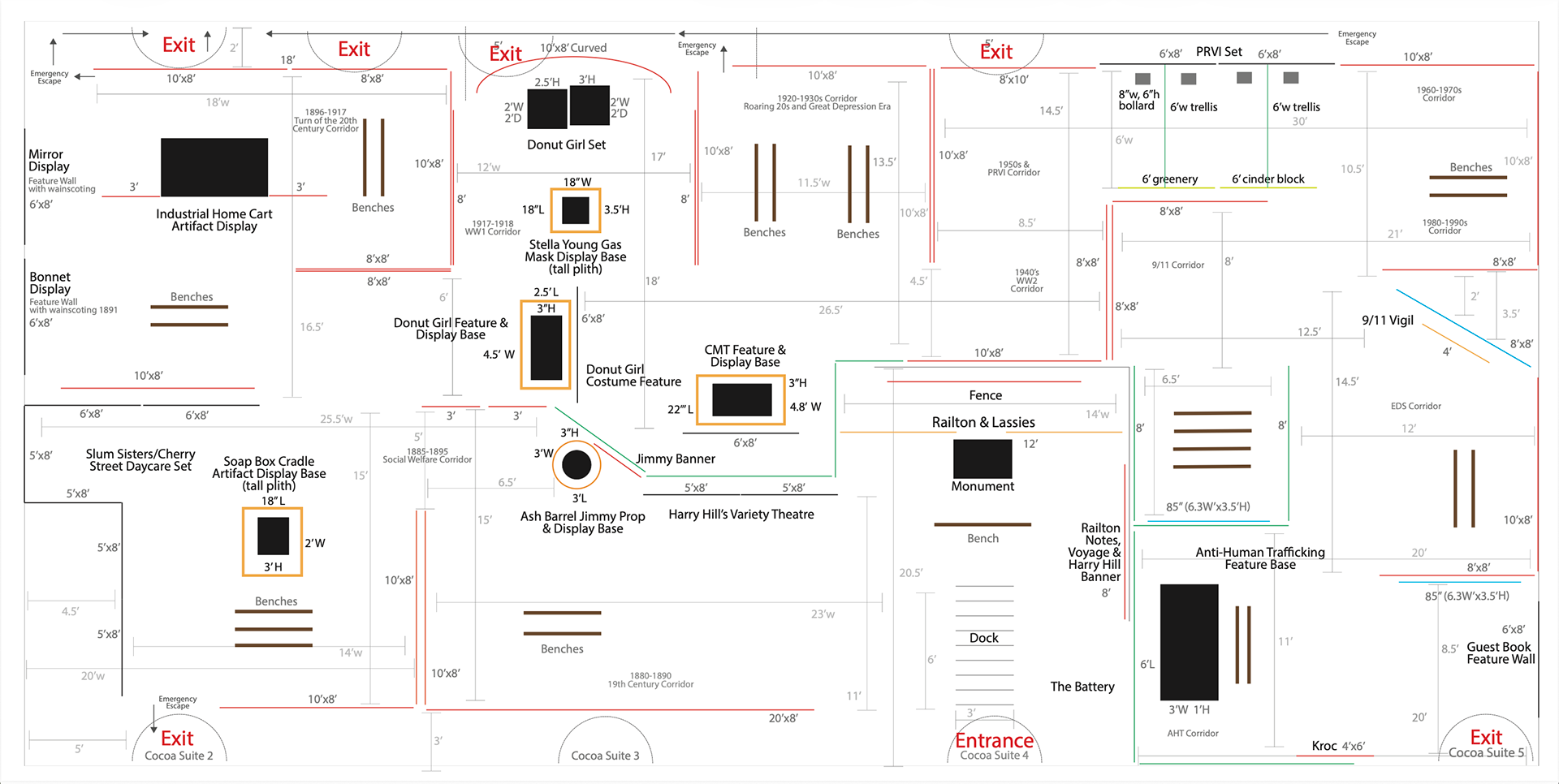
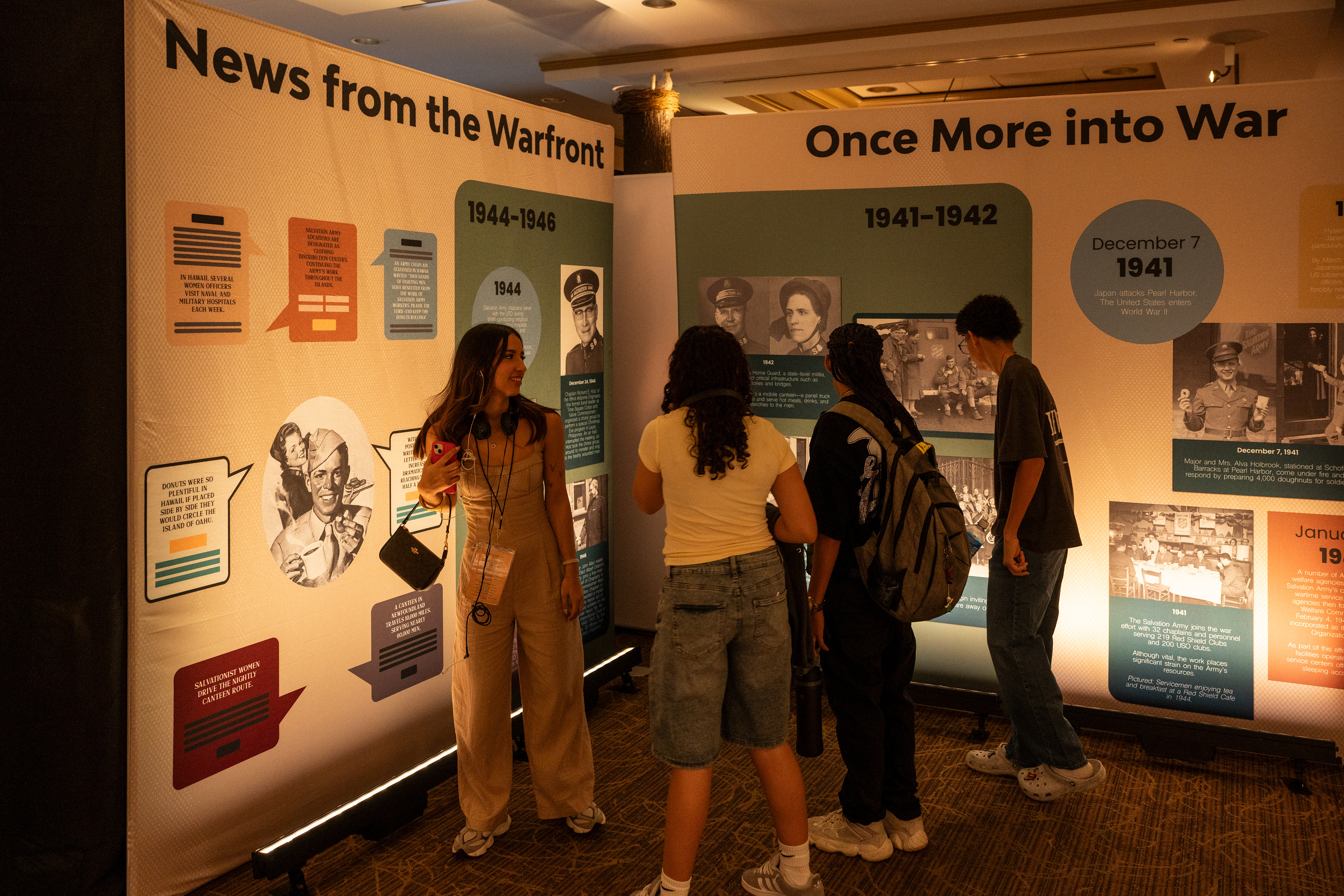
- Designing hundreds of exhibit graphics, interpretive panels, maps, timelines, and environmental graphics.
- Coordinating production schedules for large-format graphics, scenic fabrication, and exhibit signage to meet installation deadlines.
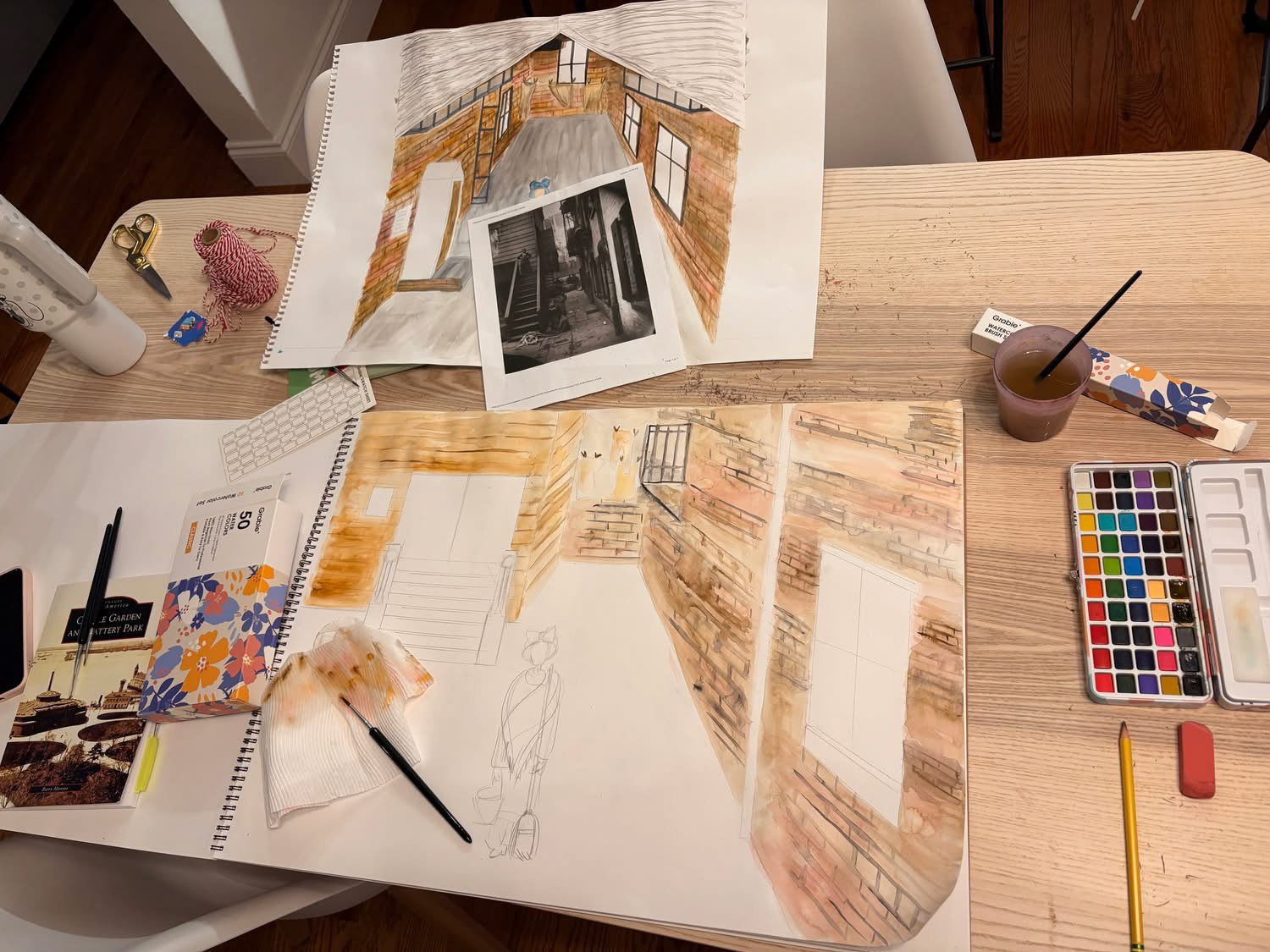
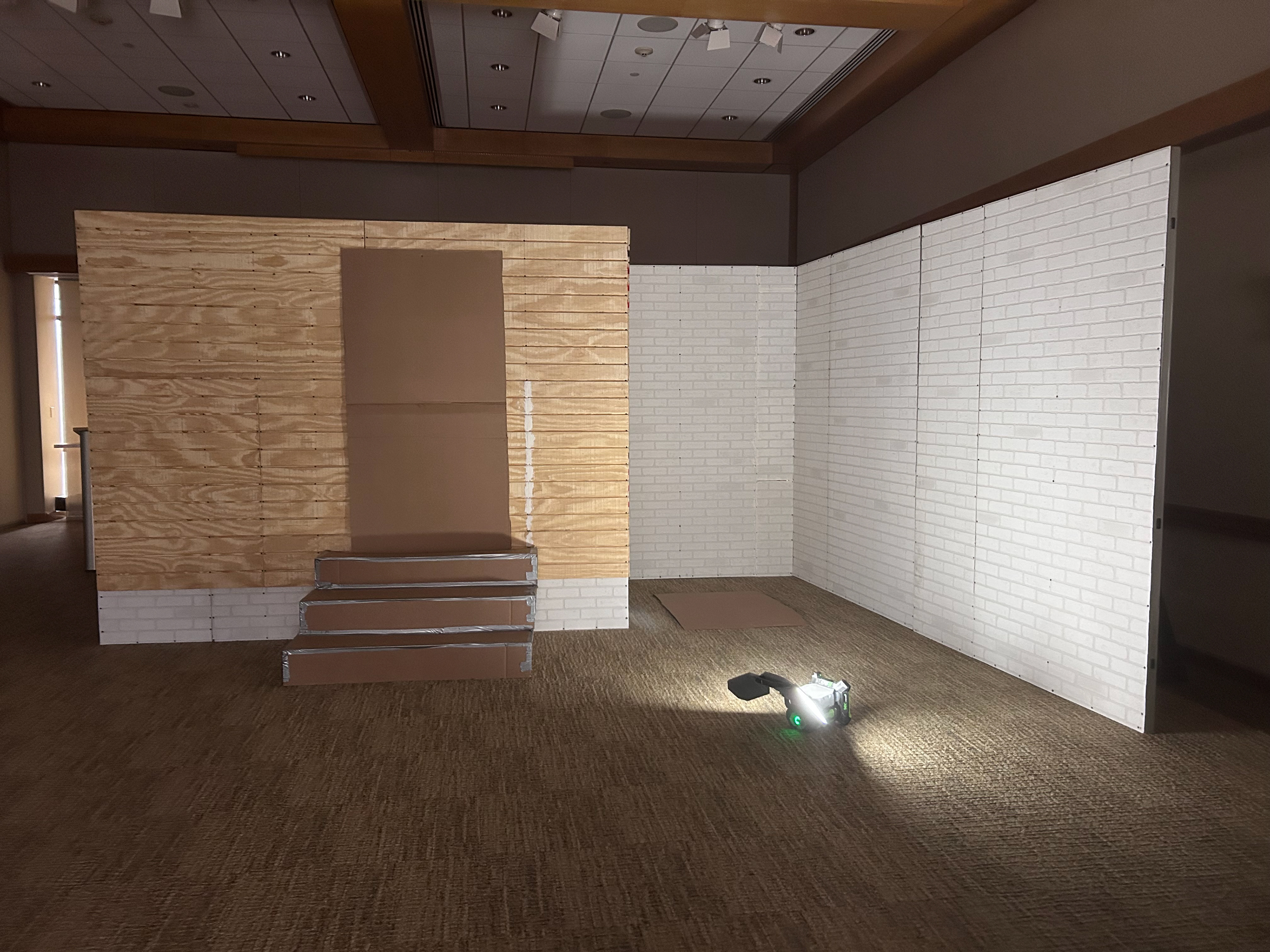
- Leading scenic fabrication efforts and coordinating the build of immersive exhibit environments.
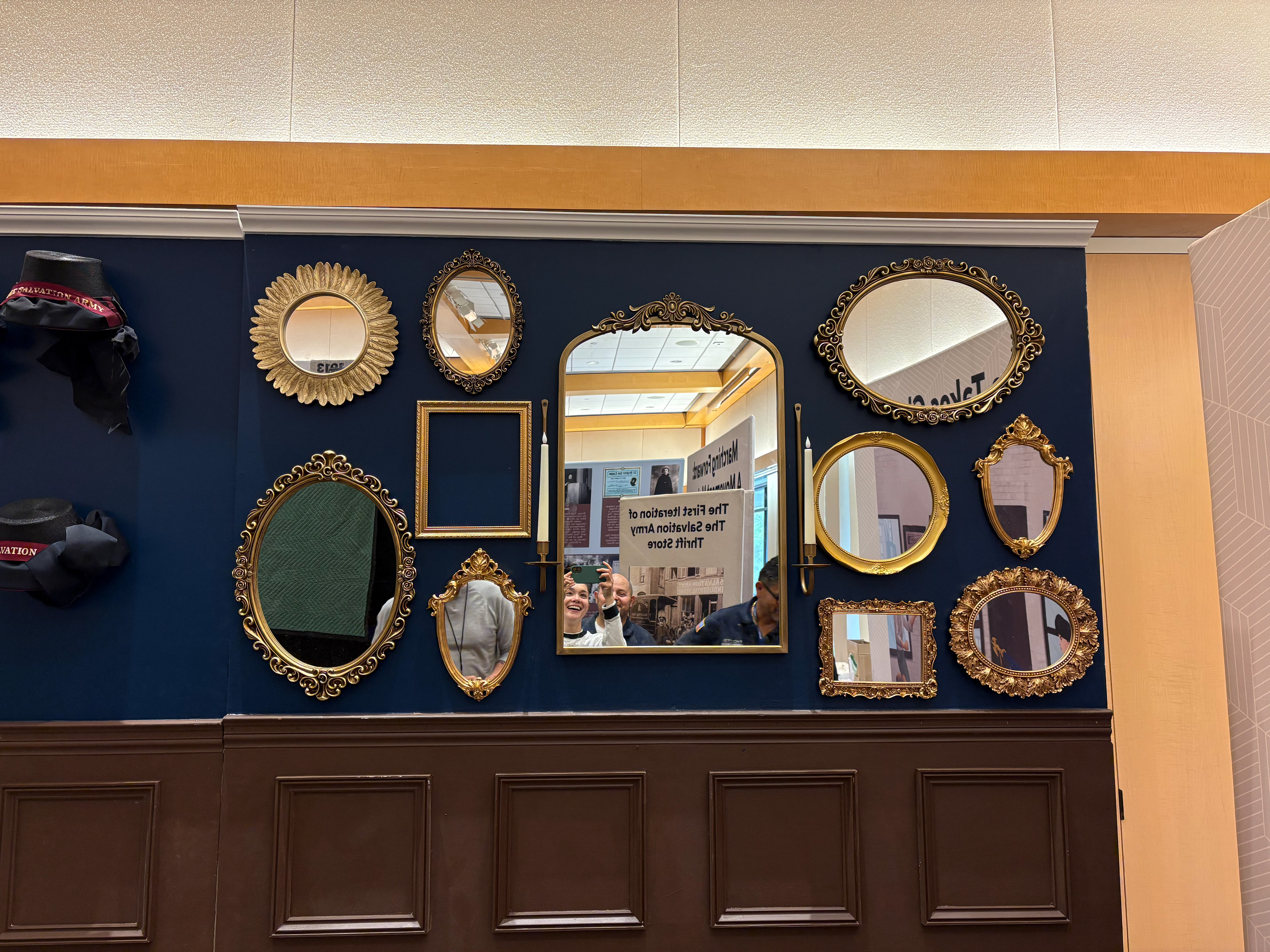
- Sourcing, purchasing, and installing props and scenic elements that accurately represented multiple historical periods.
- Managing production timelines across multiple vendors while maintaining visual consistency throughout the exhibit.
The Story
History has the power to inspire, but only if people can see themselves in it.
After fifteen years with The Salvation Army, Resa realized something unexpected. Stories that had once felt extraordinary had become familiar through repetition. The names, dates, and milestones that shaped the organization were well known, but their humanity had become harder to feel. She wanted to bridge the gap between the present and the people who already walked the path before them.
That conviction was shaped long before this project. Some of the most memorable museum experiences of her life weren't defined by the information on the walls - they were defined by the environments that surrounded it. To this day, she still remembers walking through a Titanic exhibition as an eight-year-old, holding the boarding pass of a real passenger and discovering only at the end whether that person survived. Because she had been immersed in recreated spaces aboard the ship, their story became personal to her. She wasn't simply learning history; for a moment, she was imagining herself living it.
That experience has stayed with her for decades and continues to shape how she designs.
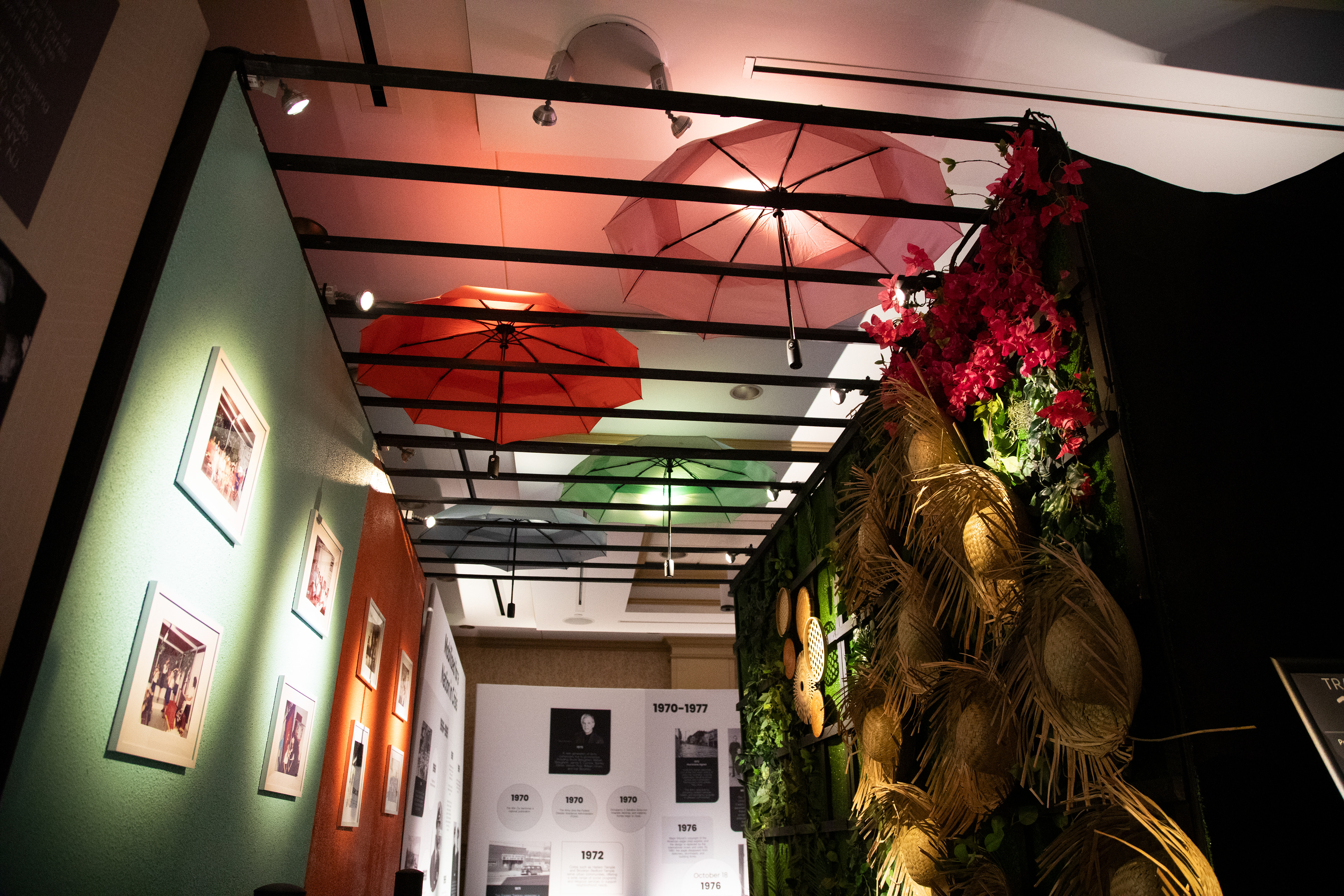
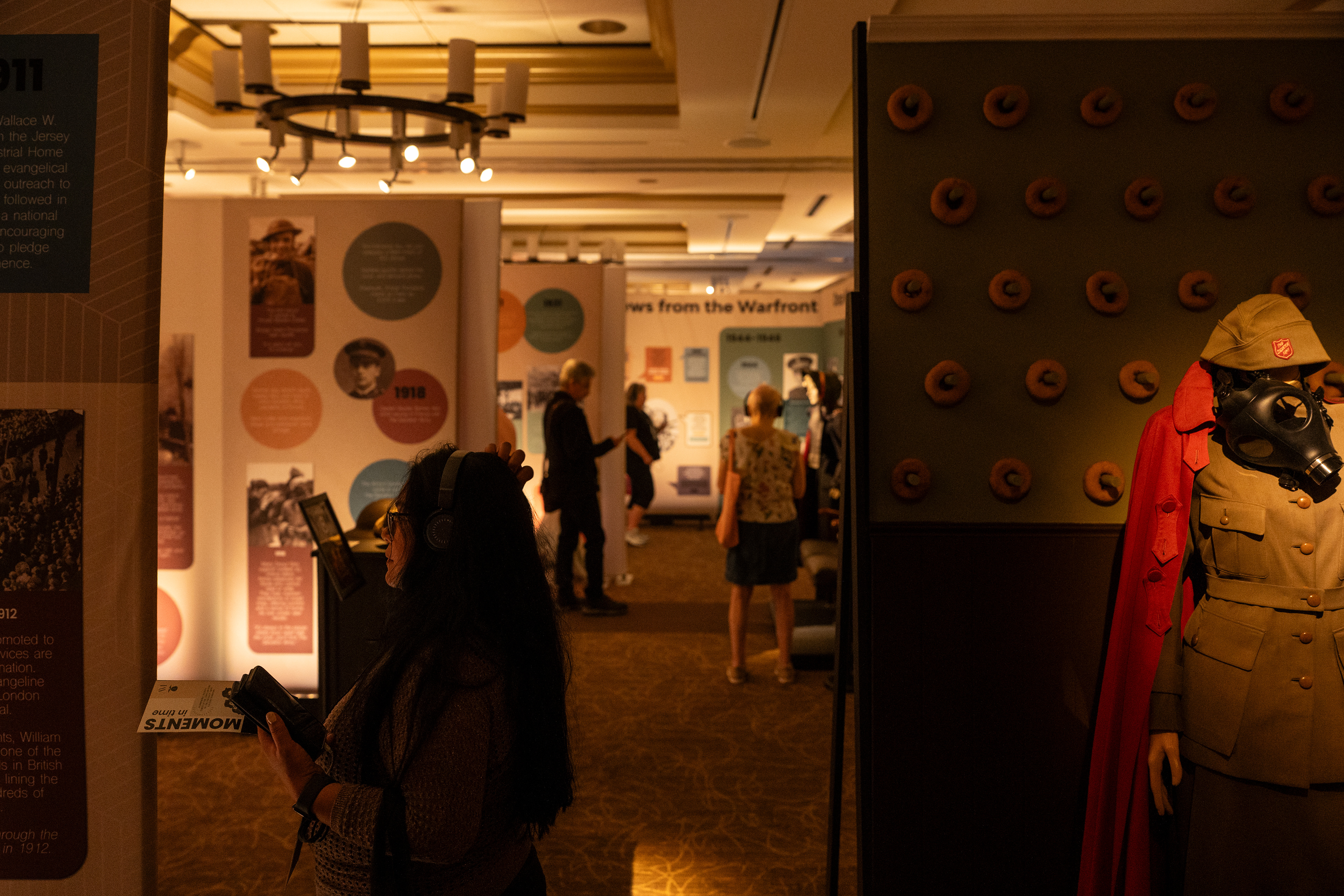
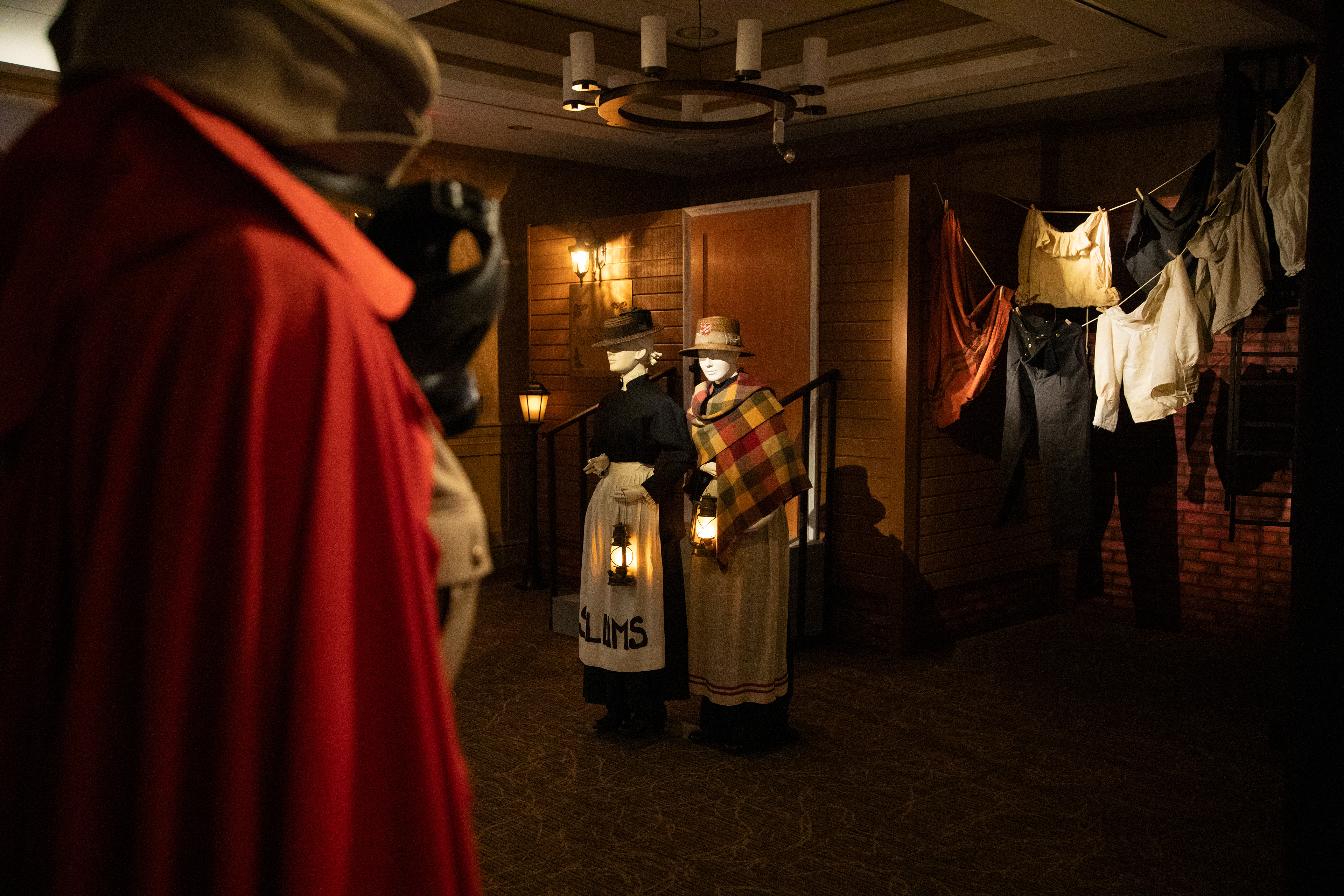
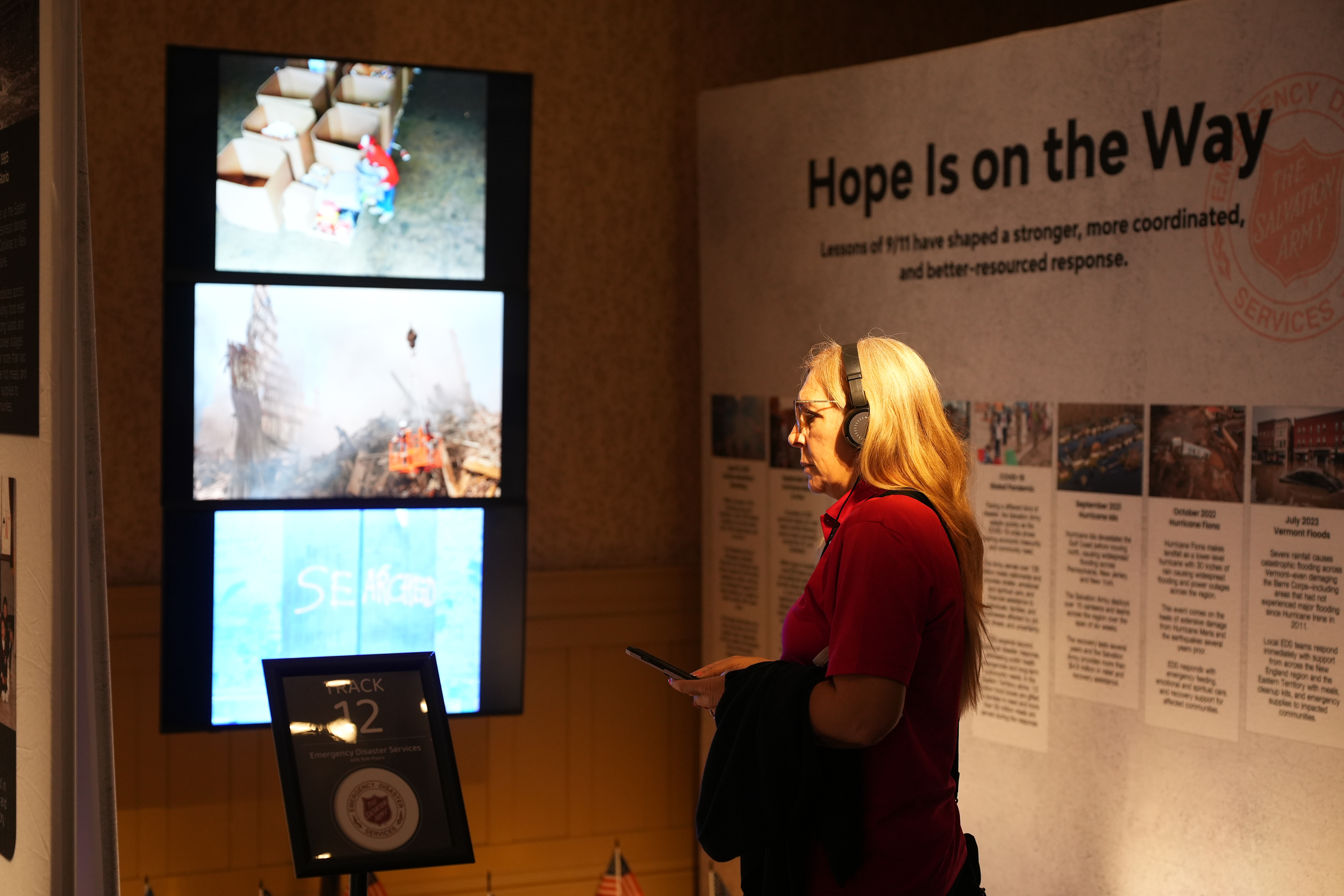
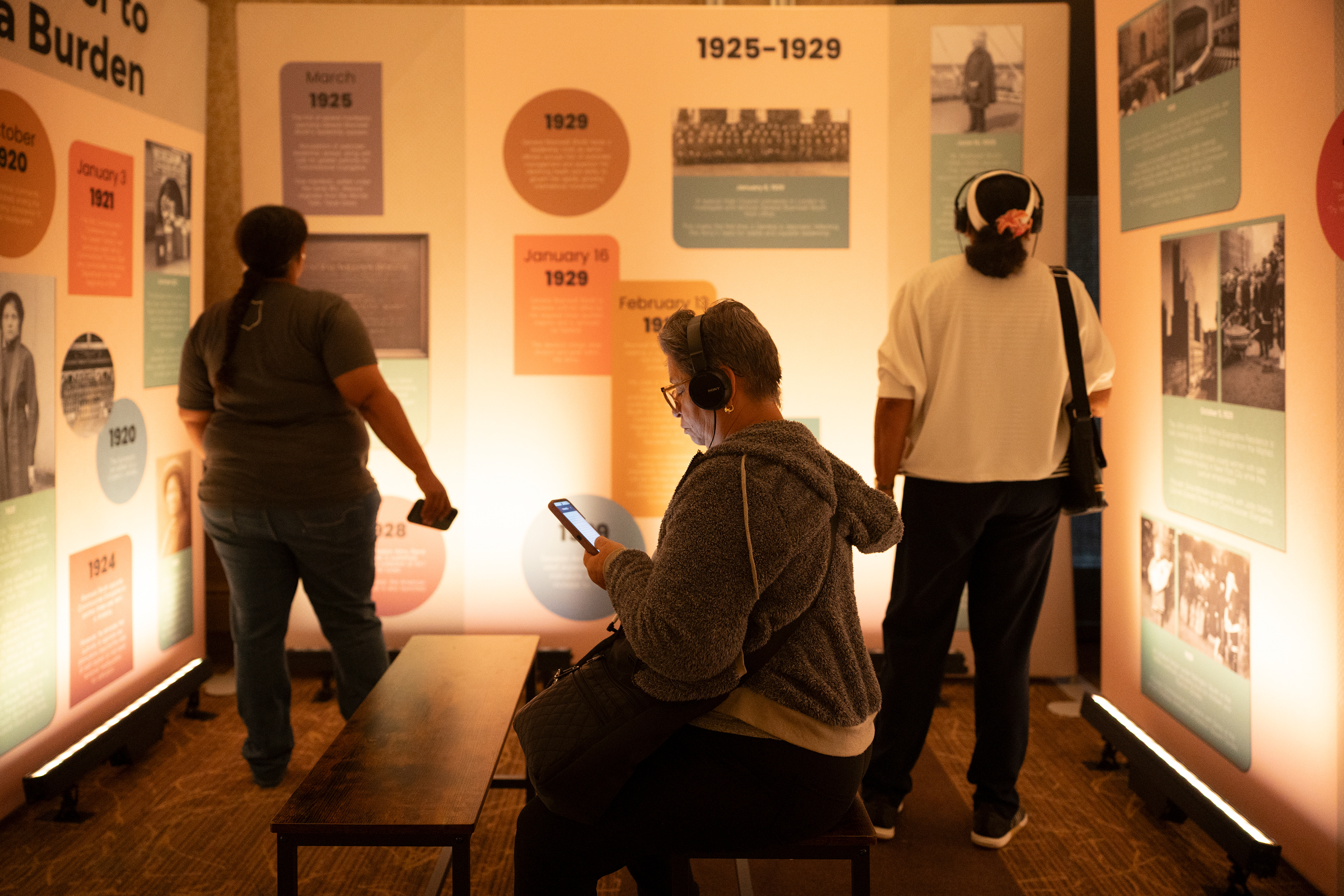
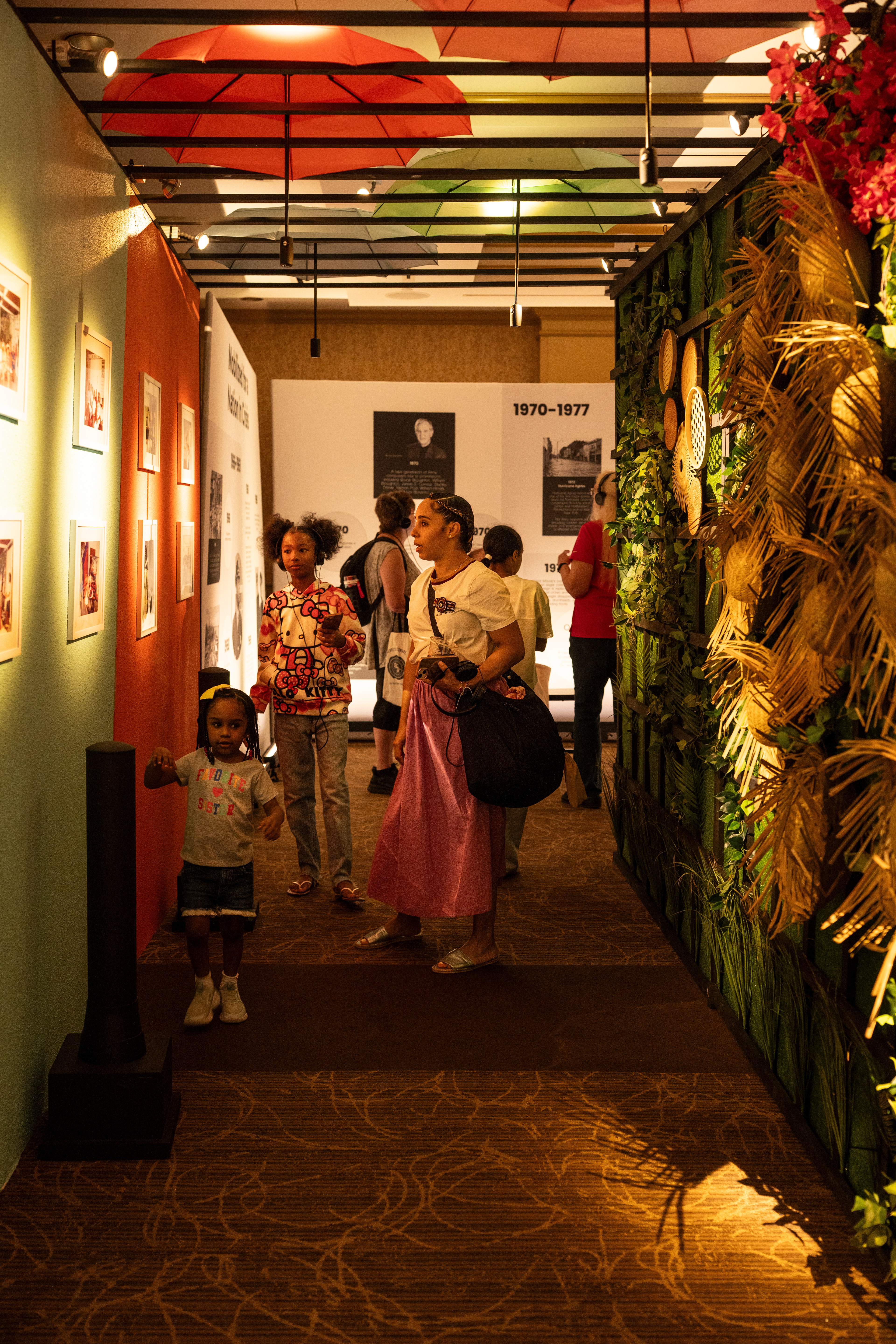
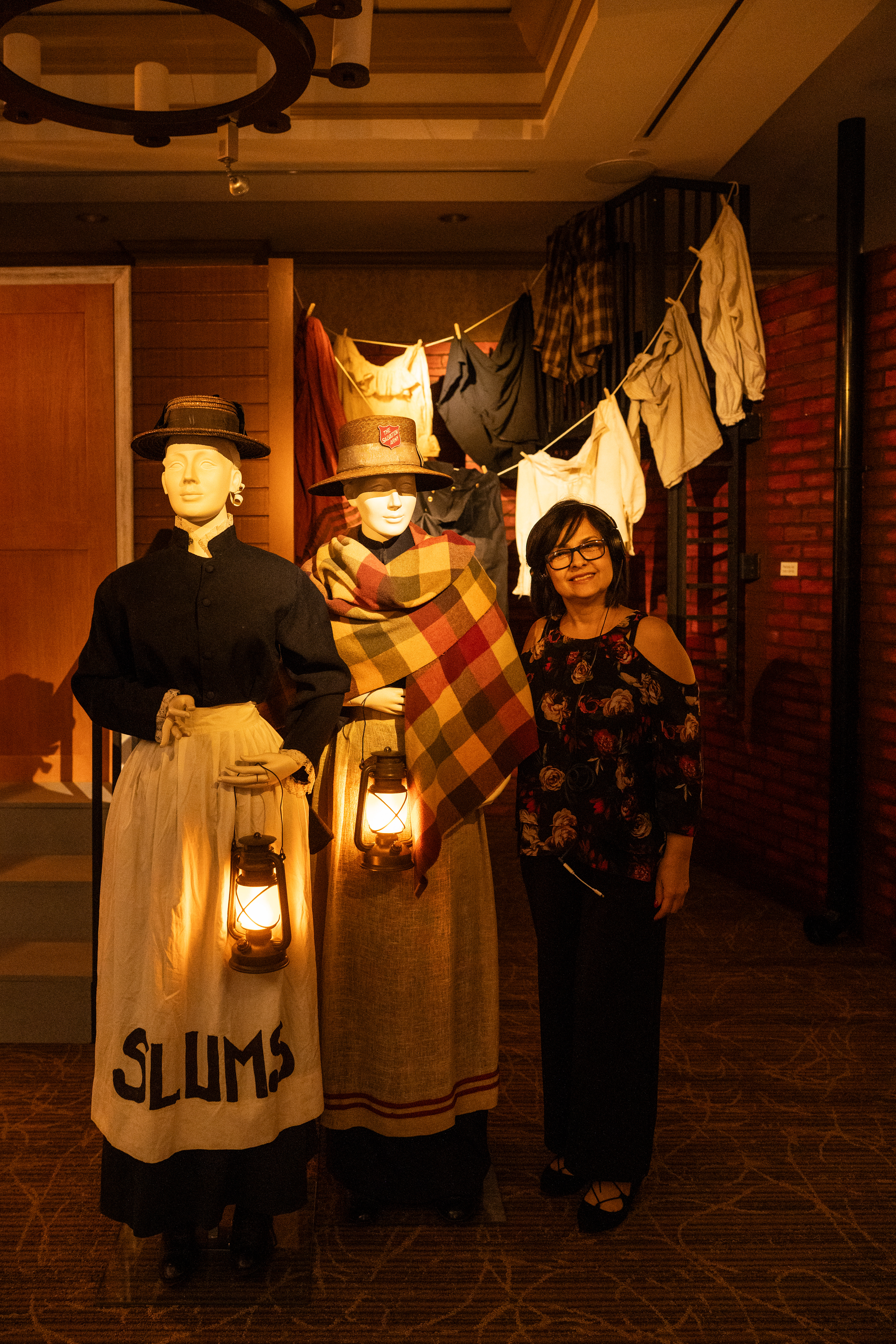
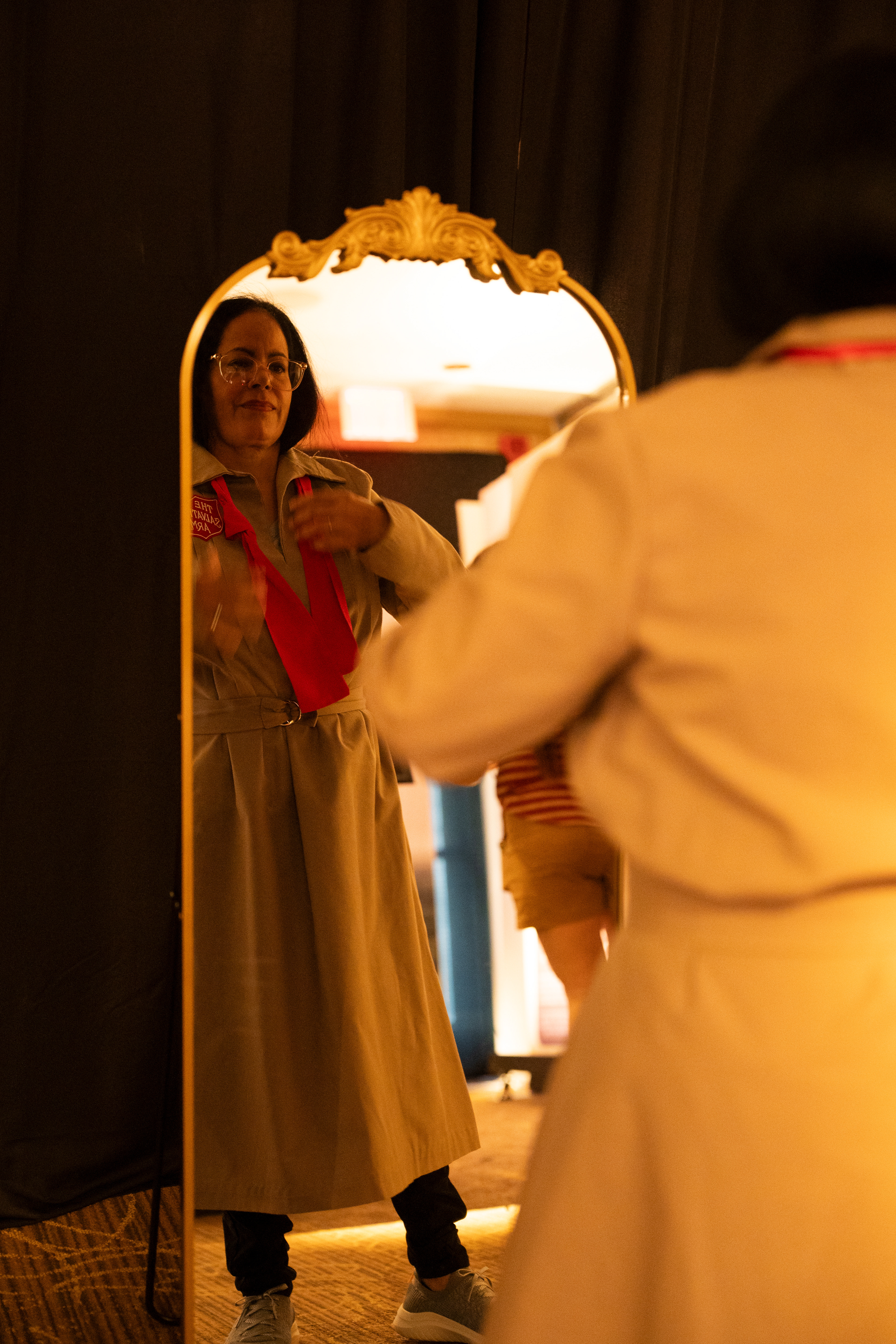
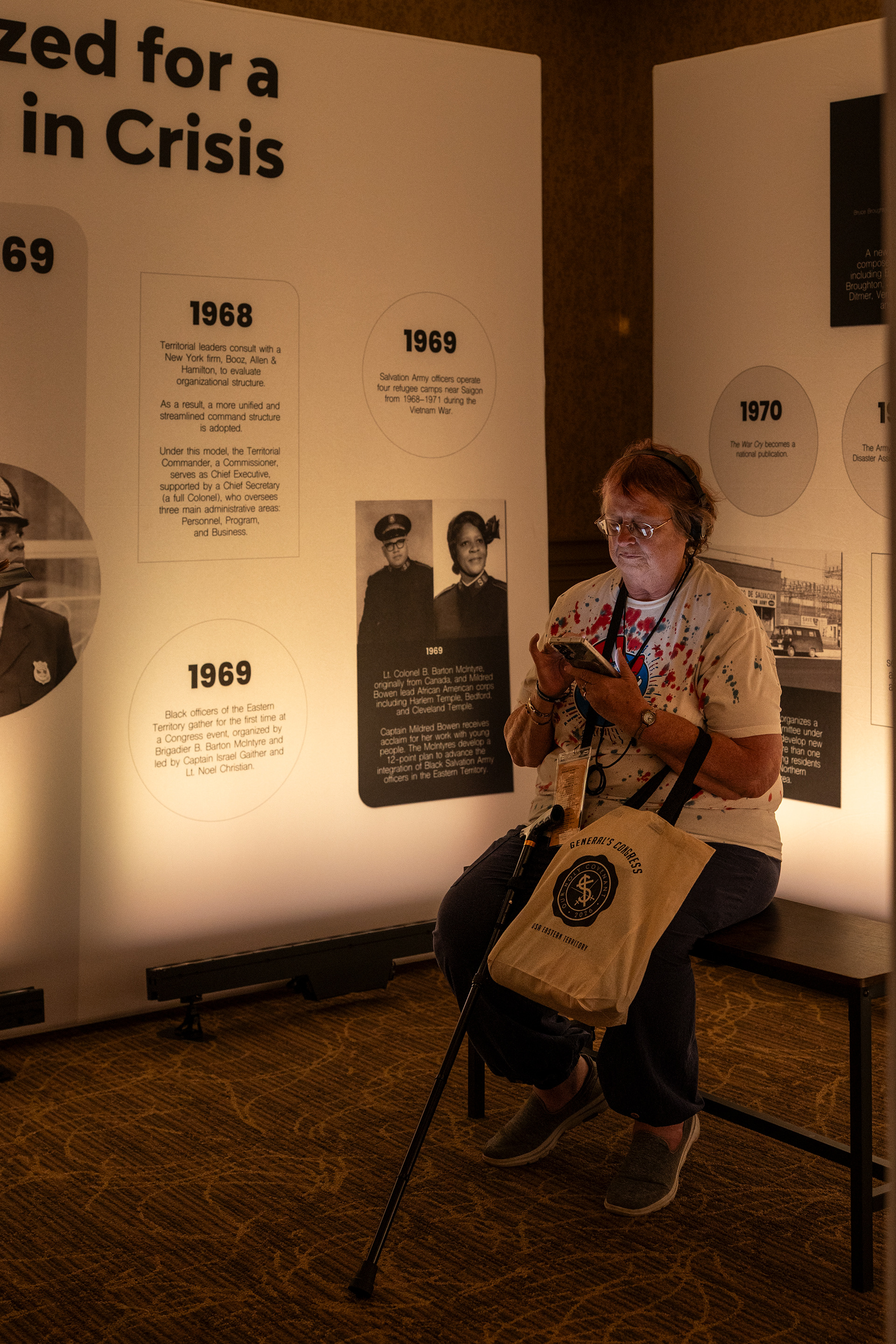
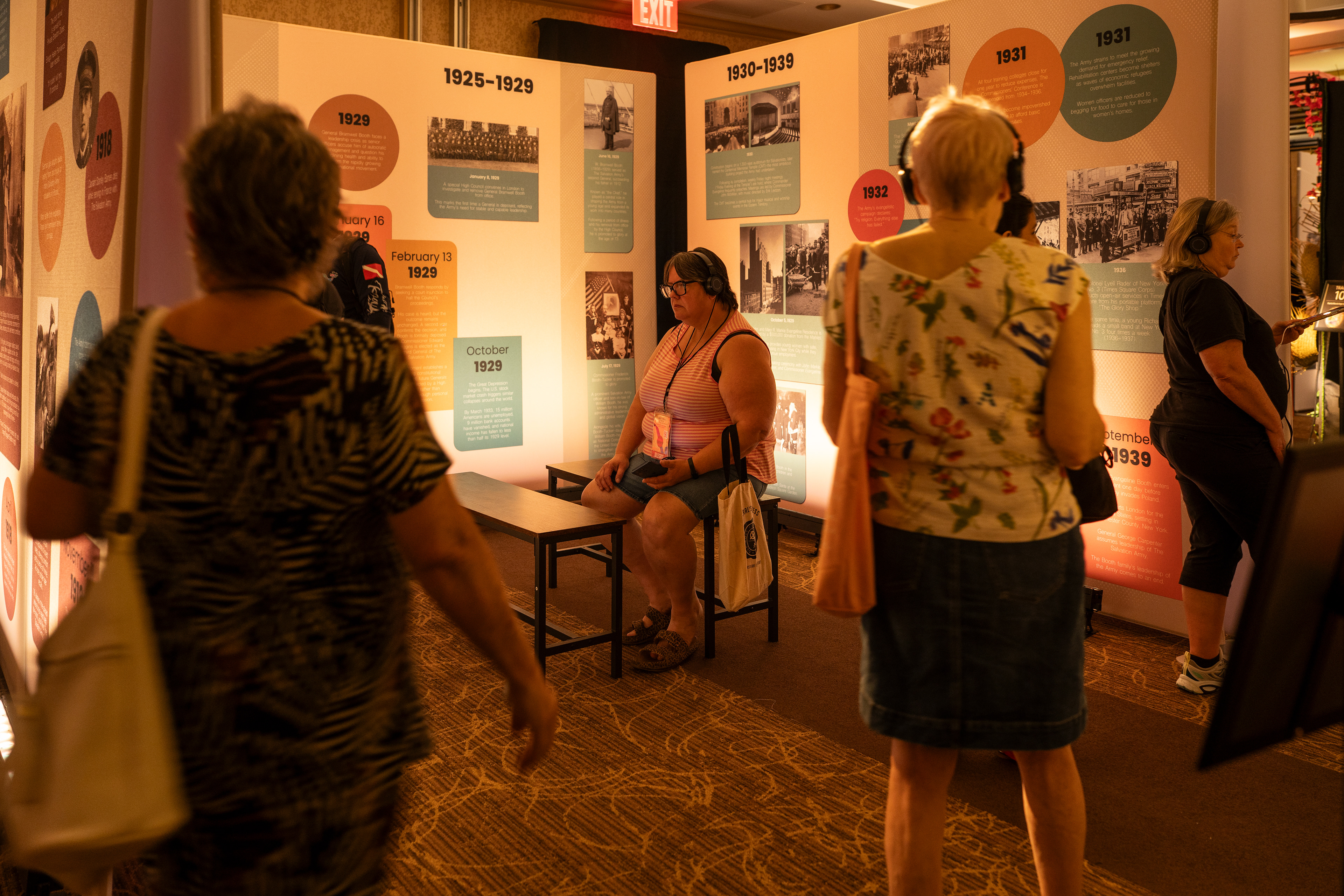
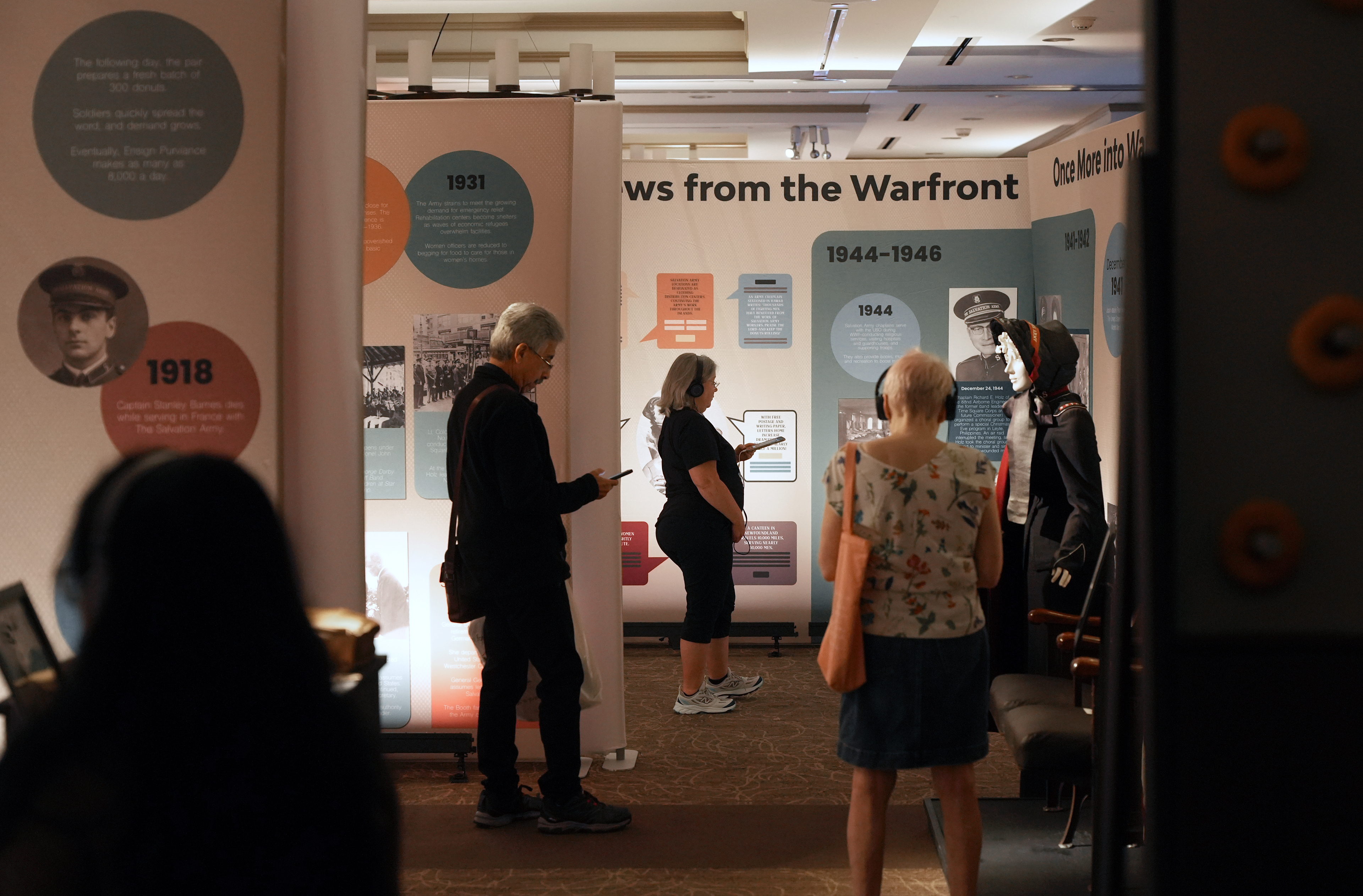
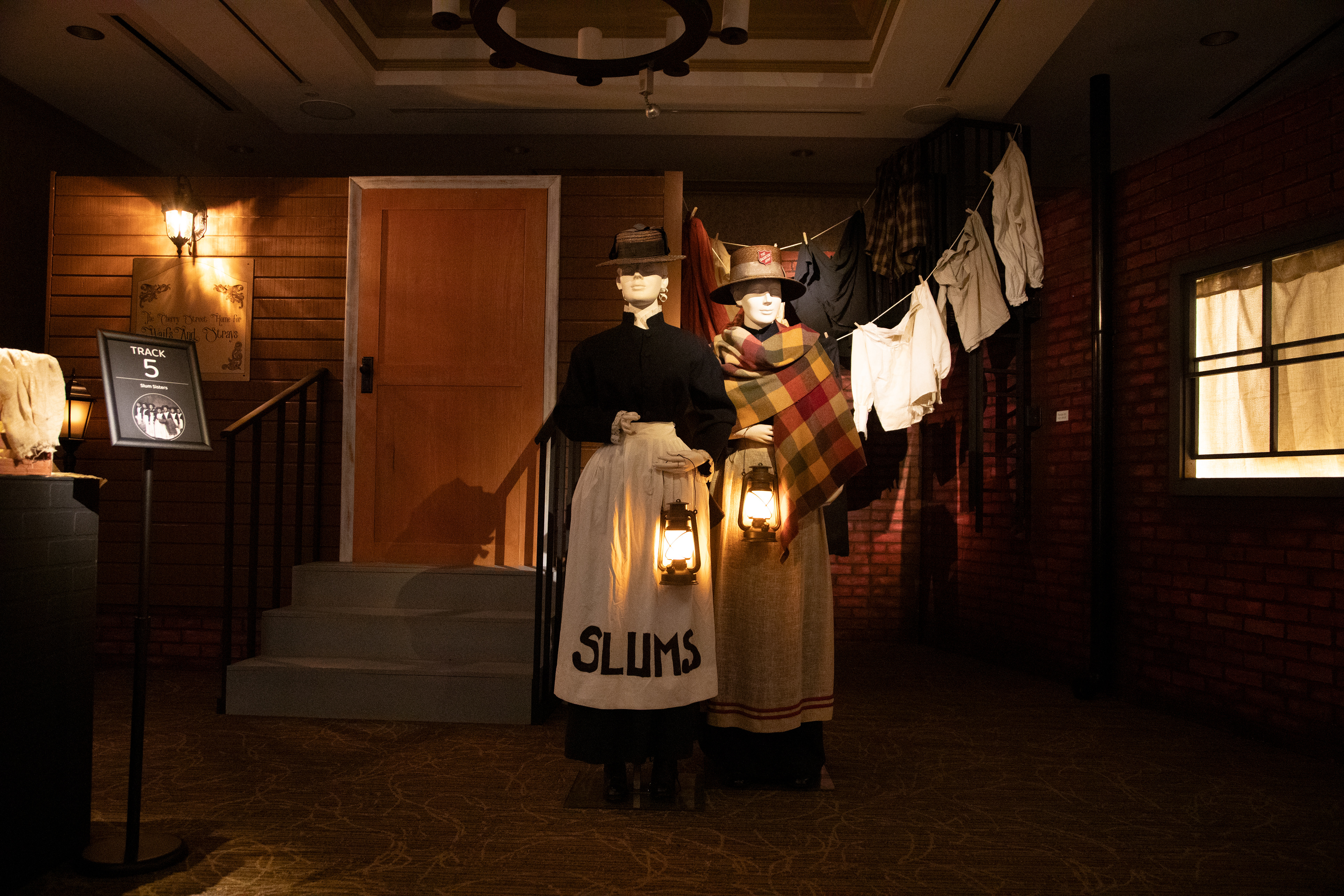
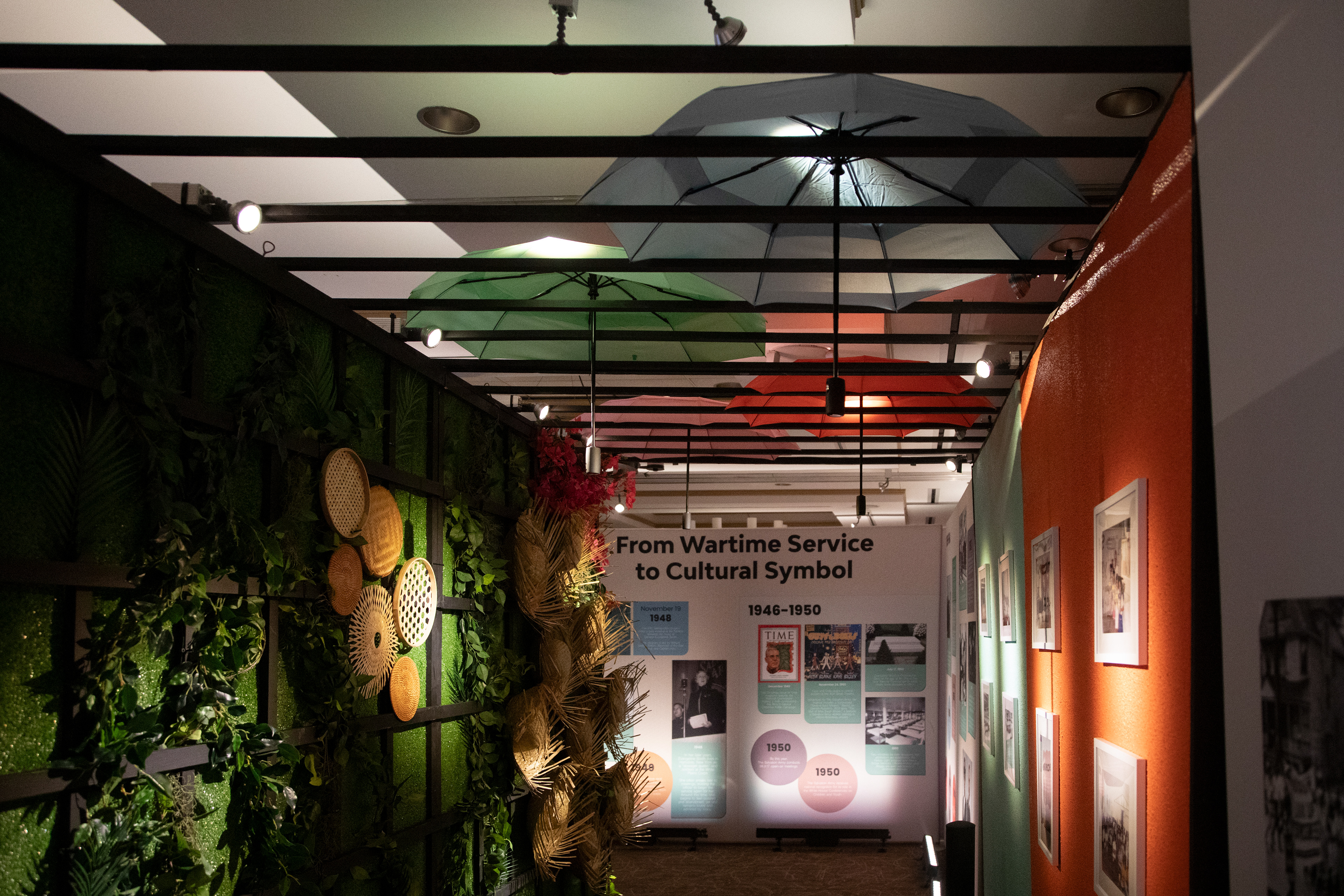
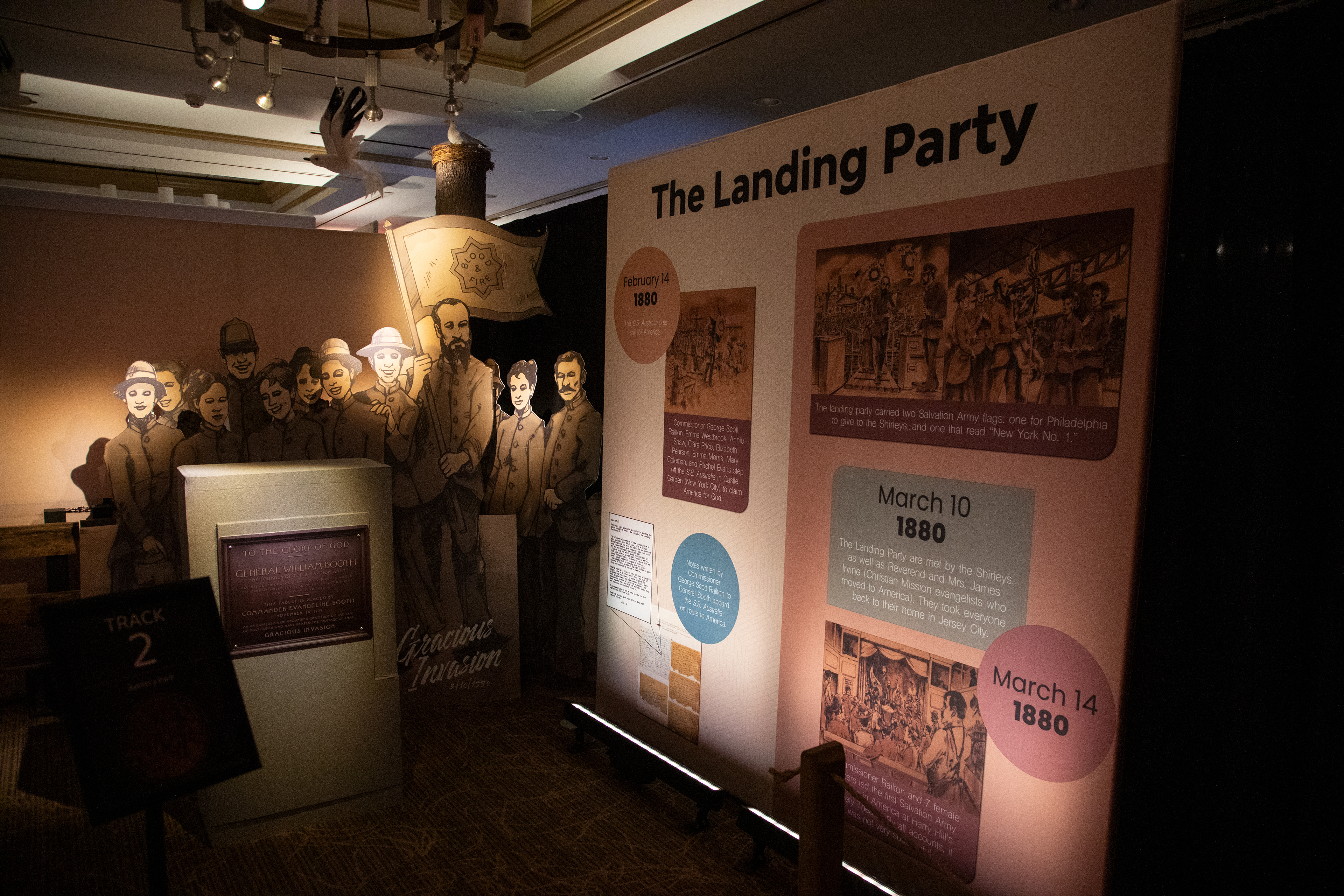
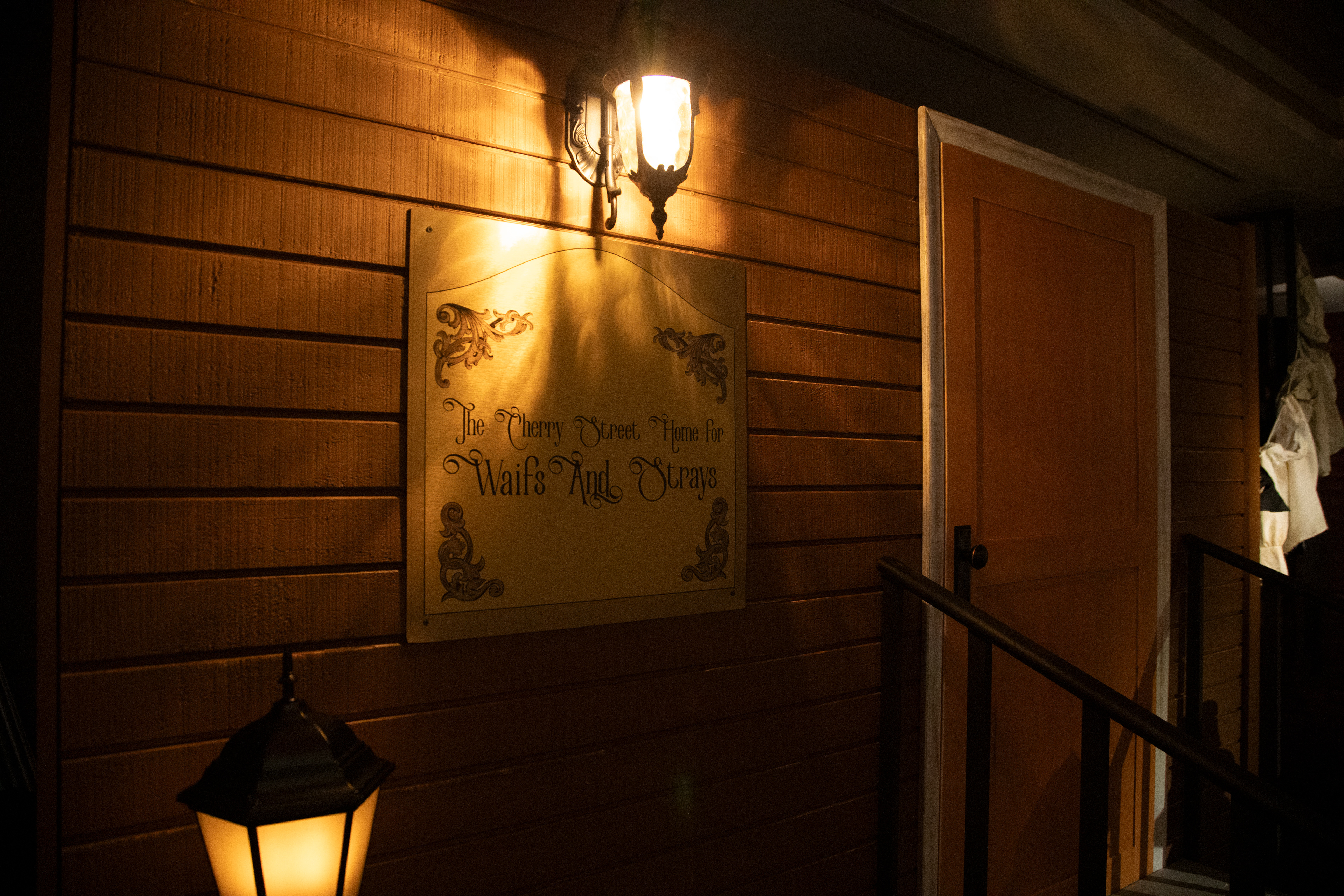
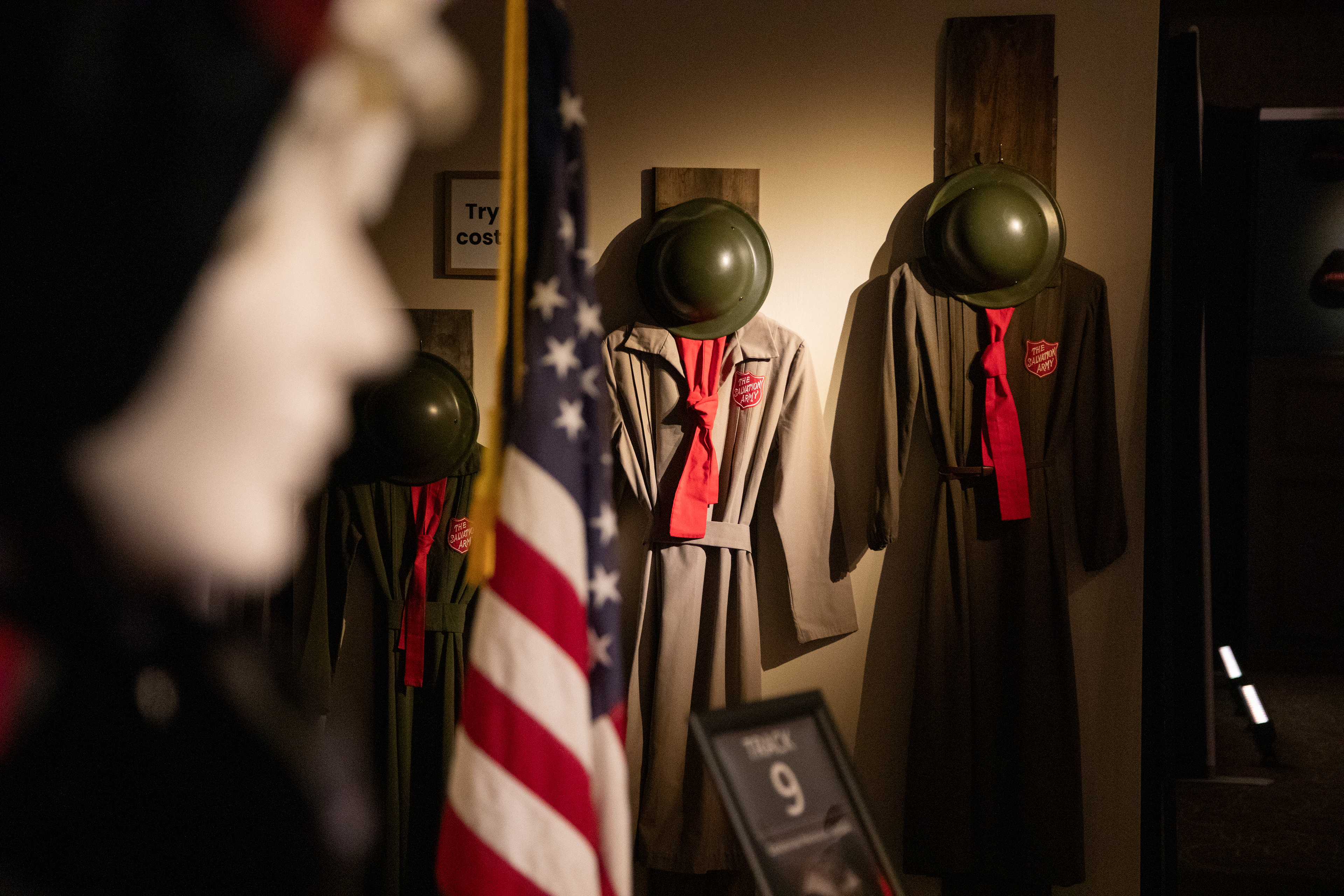
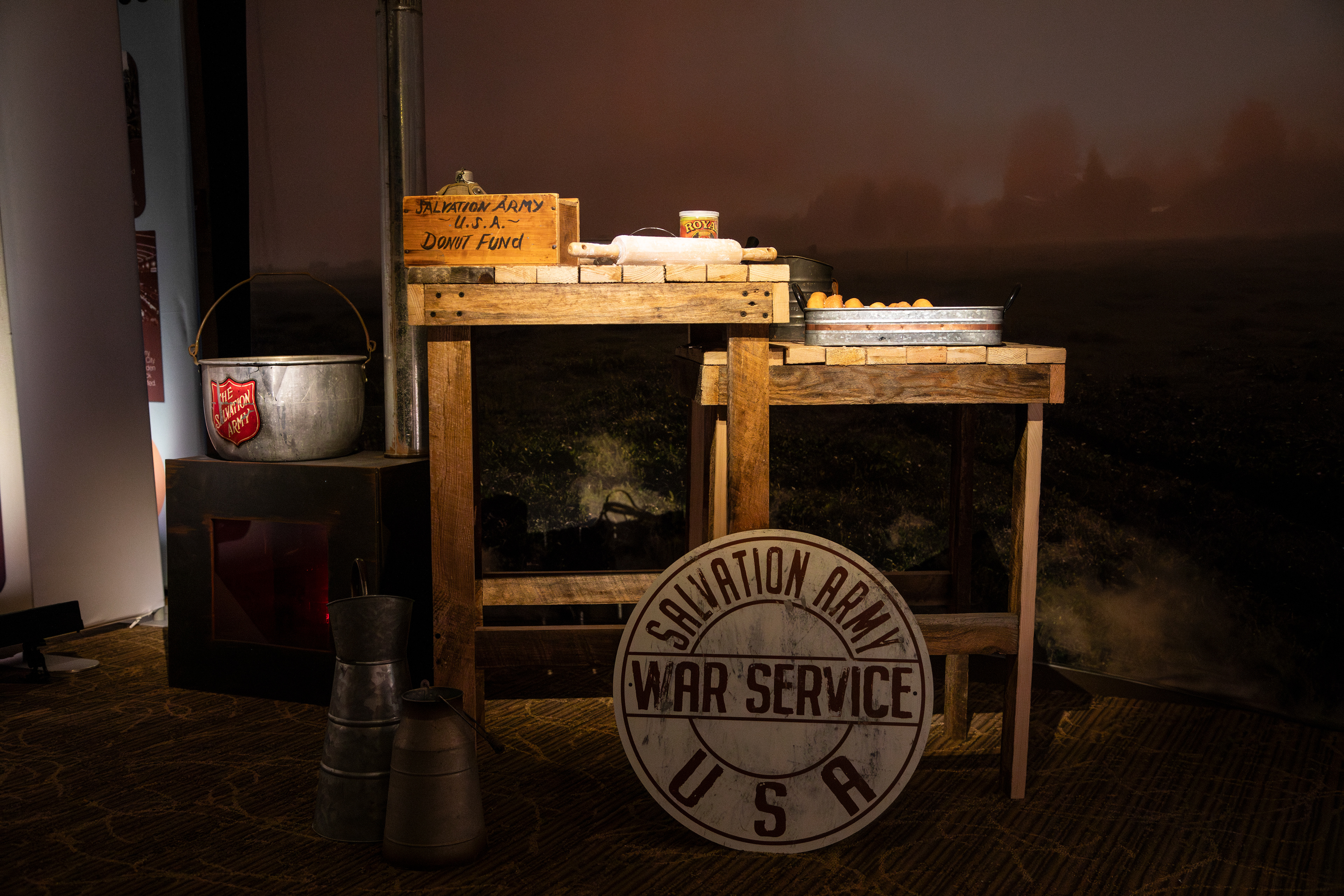
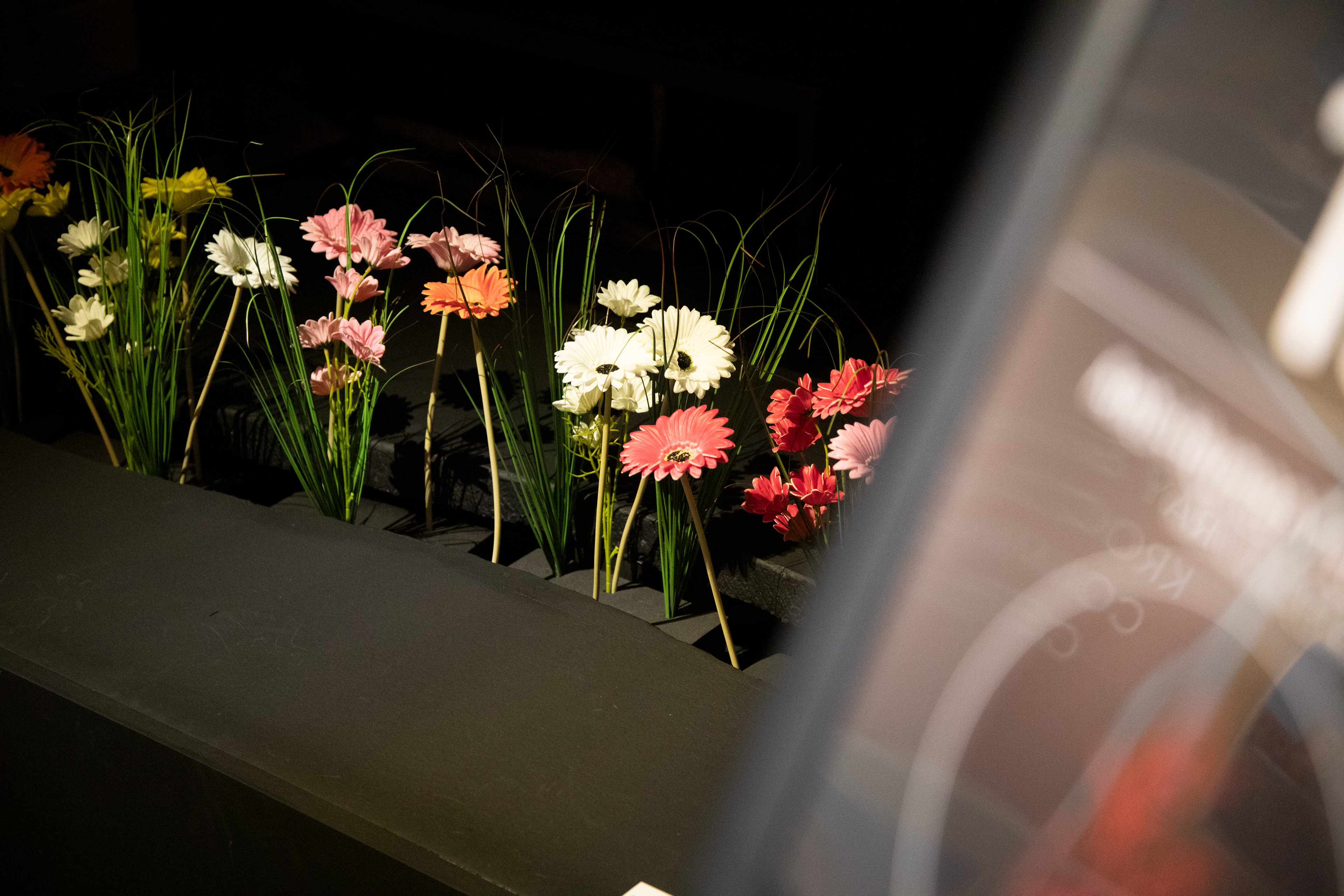
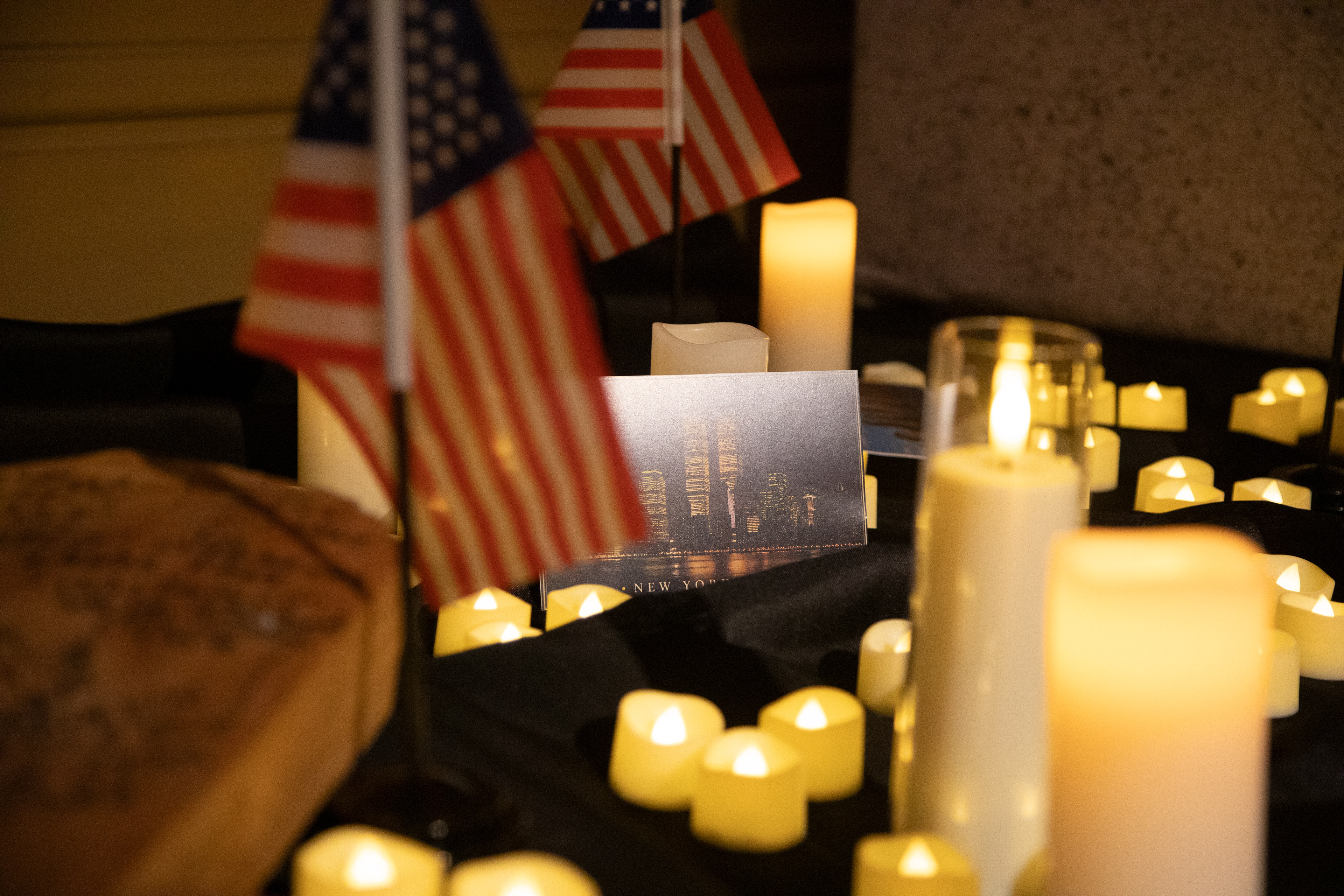
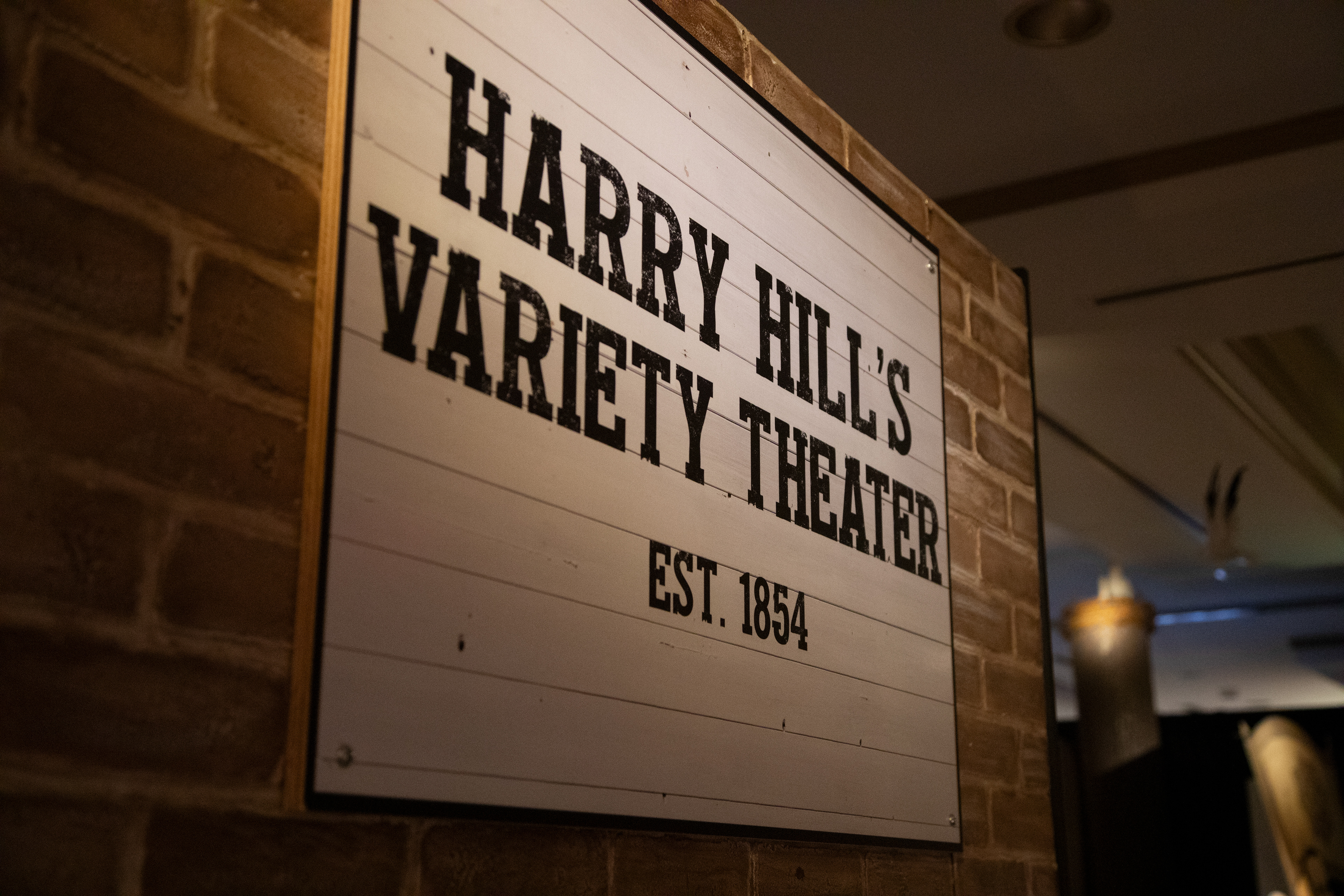
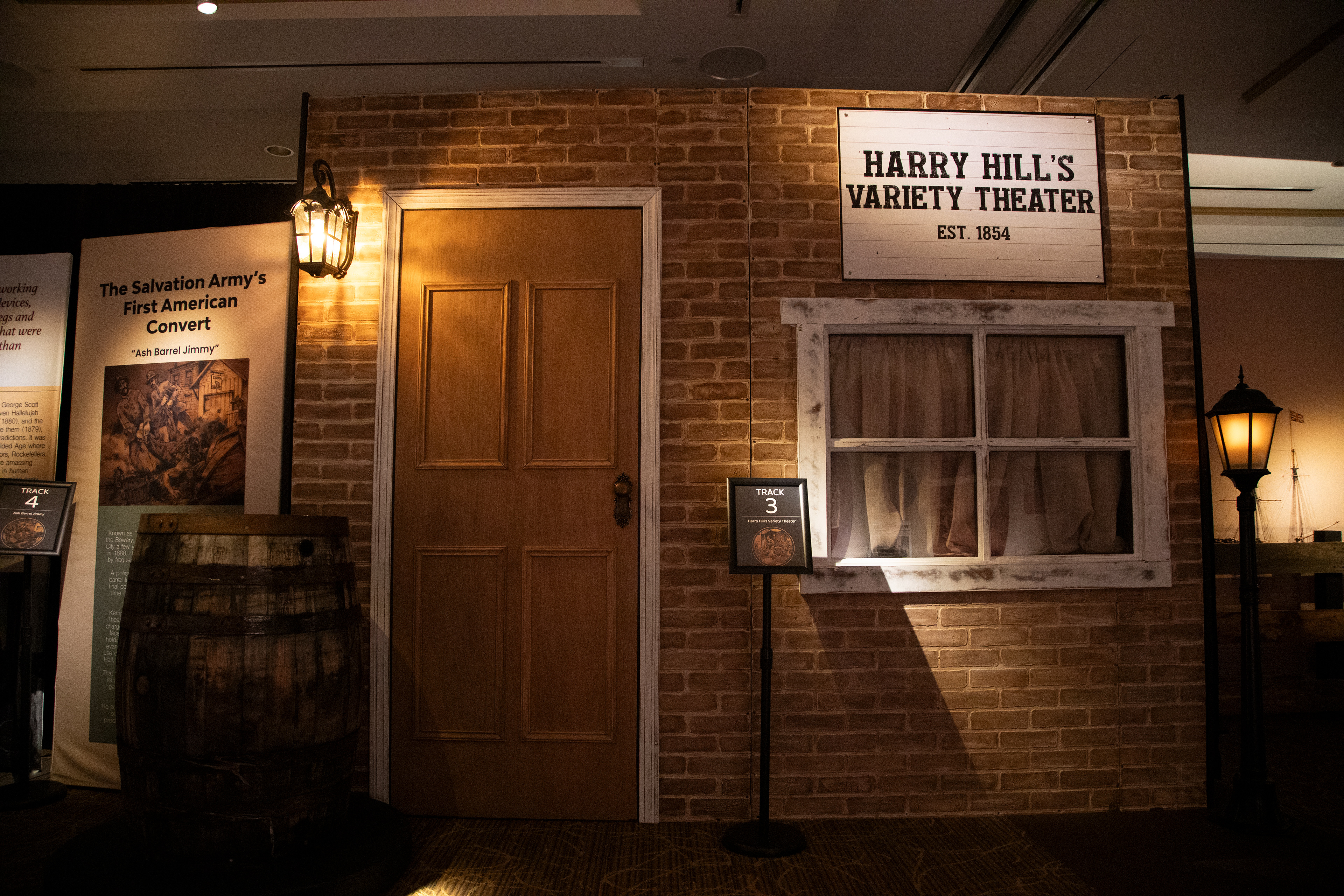
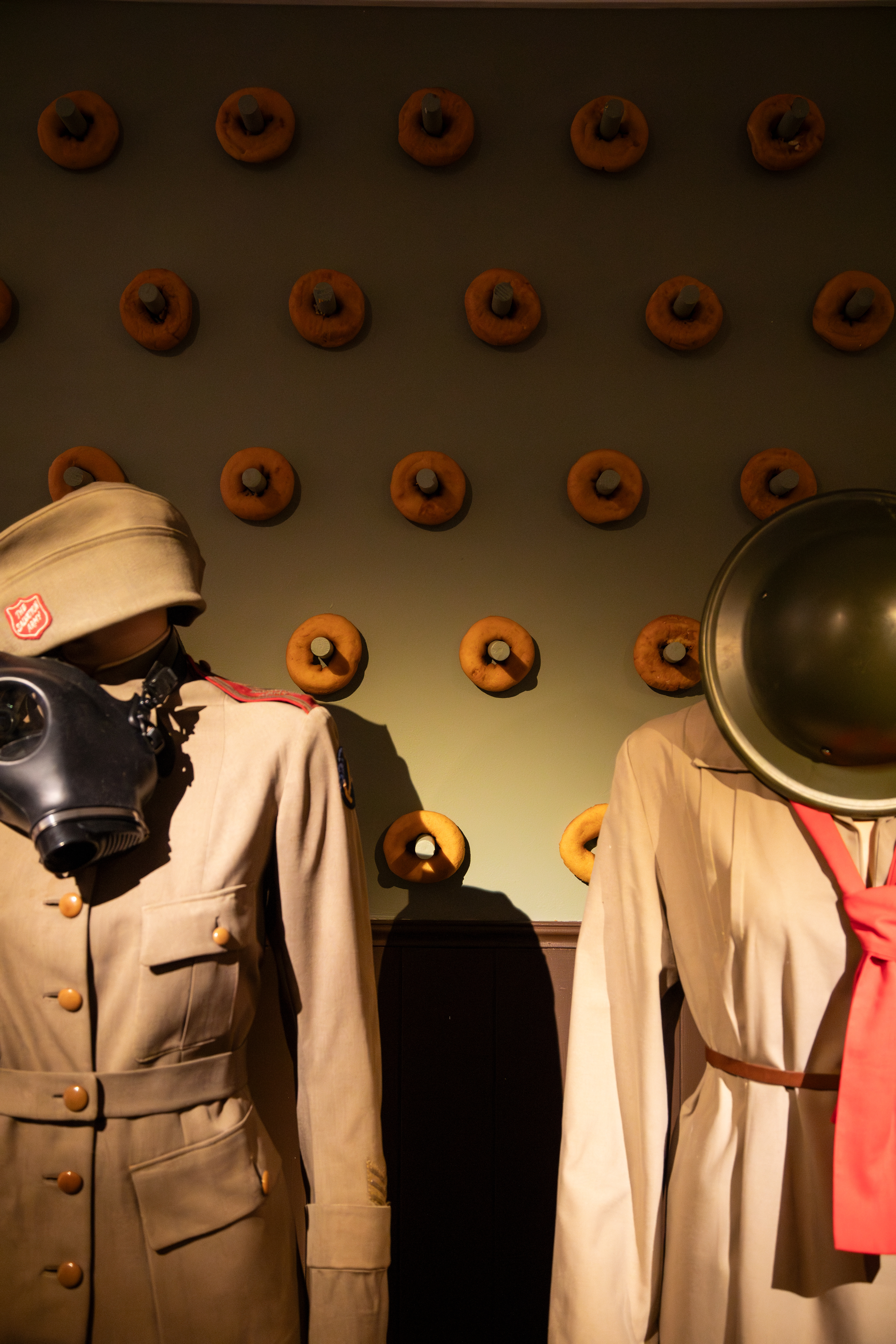
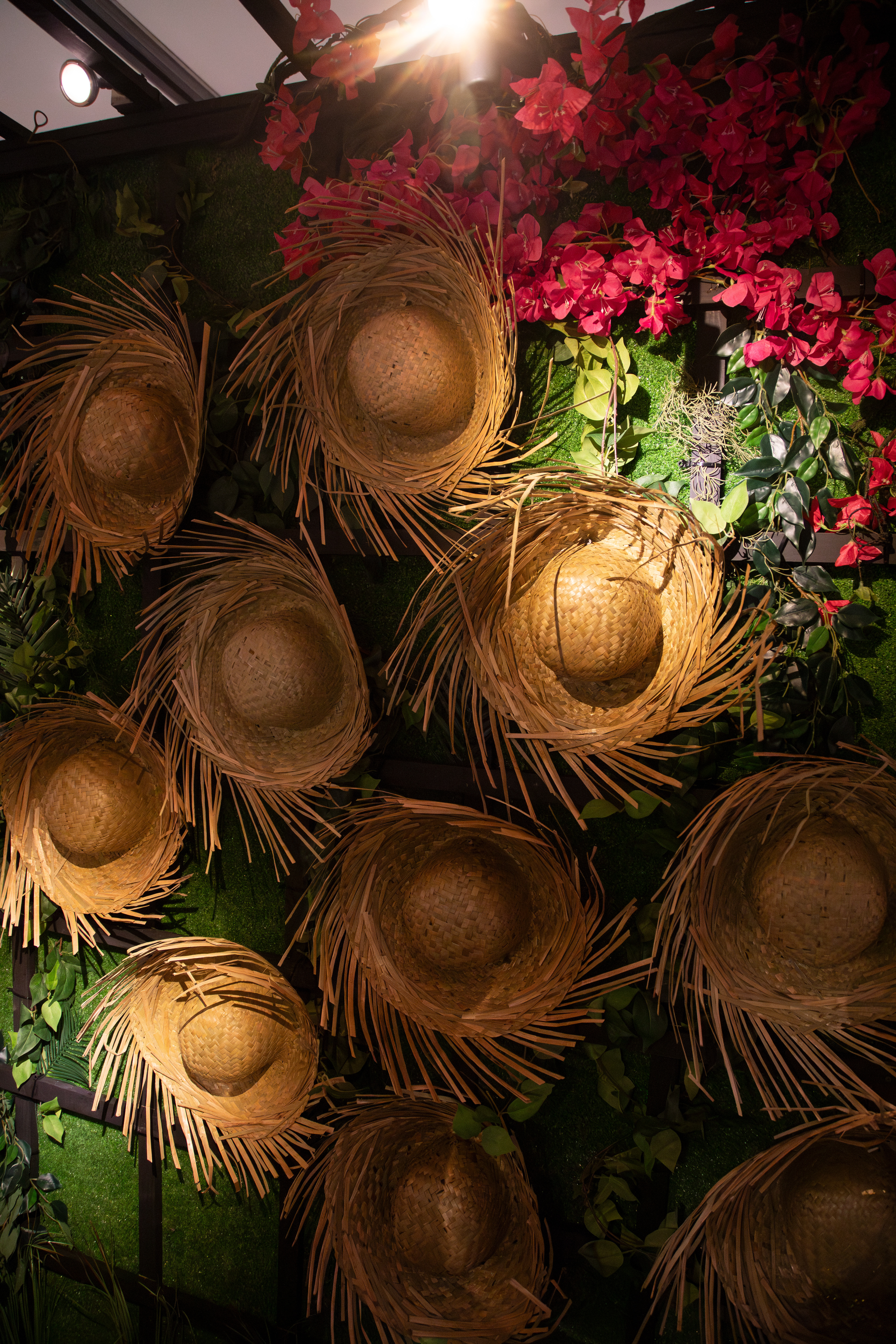
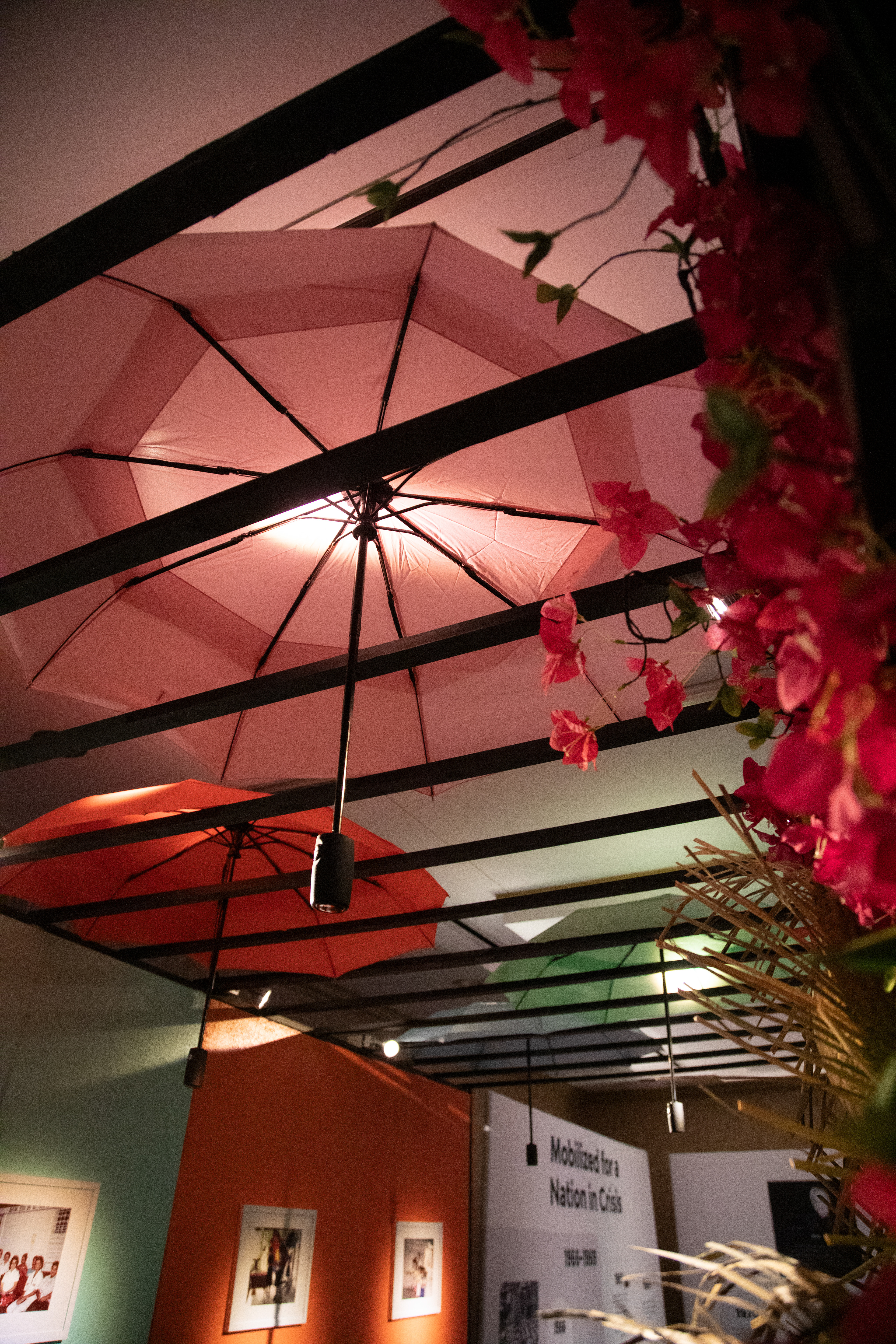
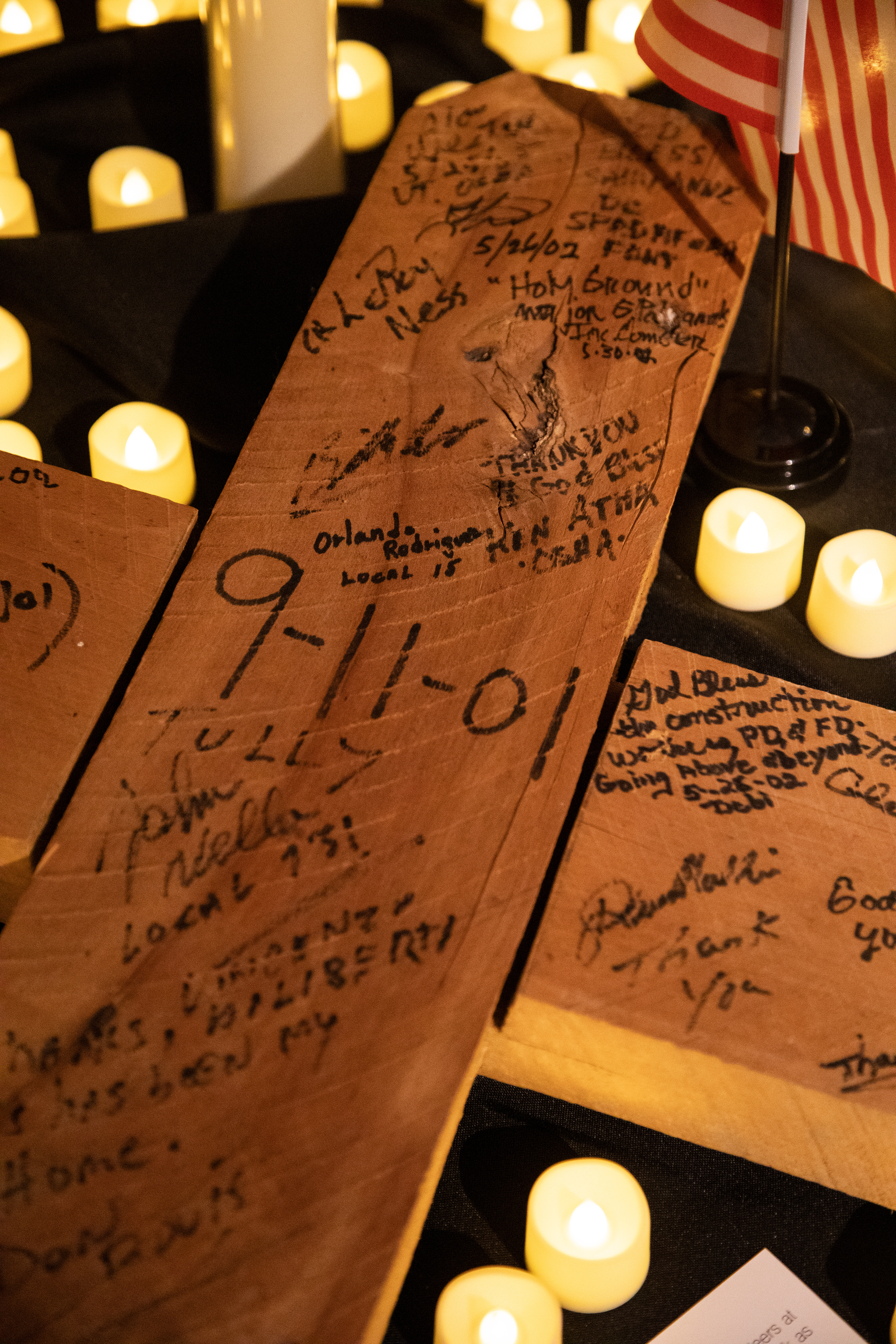
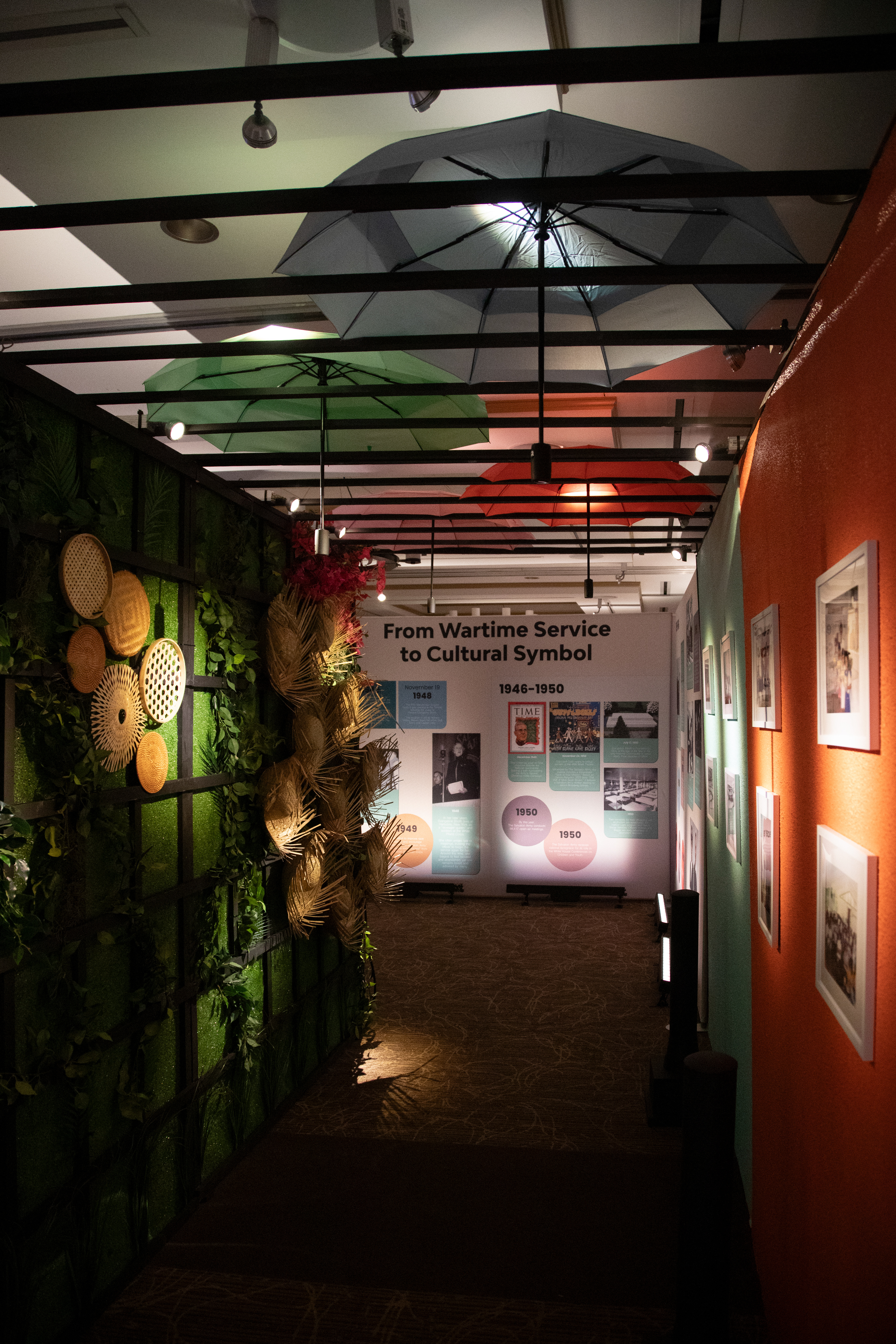
Rather than asking visitors to read about history, she wanted to invite them into it. The exhibition follows a chronological journey over 100 years of Salvation Army history. Along the timeline, visitors periodically step into immersive environments inspired by pivotal moments - a 19th century city street, the Donut Lassies serving on the front lines of World War I, the moments immediately following the September 11th attacks, the streets of Puerto Rico, and spaces of reflection inspired by more recent history. These moments were intentionally designed to slow visitors down, awaken their senses, and transform historical information into lived experience.
Her hope was that visitors wouldn't simply remember what happened. She hoped they would feel the weight of those who came before them, recognize themselves in their stories, and leave believing they were now carrying that legacy forward.
Design Principles
Immersion: Surround visitors in the sights, sounds, and atmosphere of each era.
Clarity: Make 140 years of history approachable without oversimplifying it.
Emotion: Create moments that encourage empathy, not just understanding.
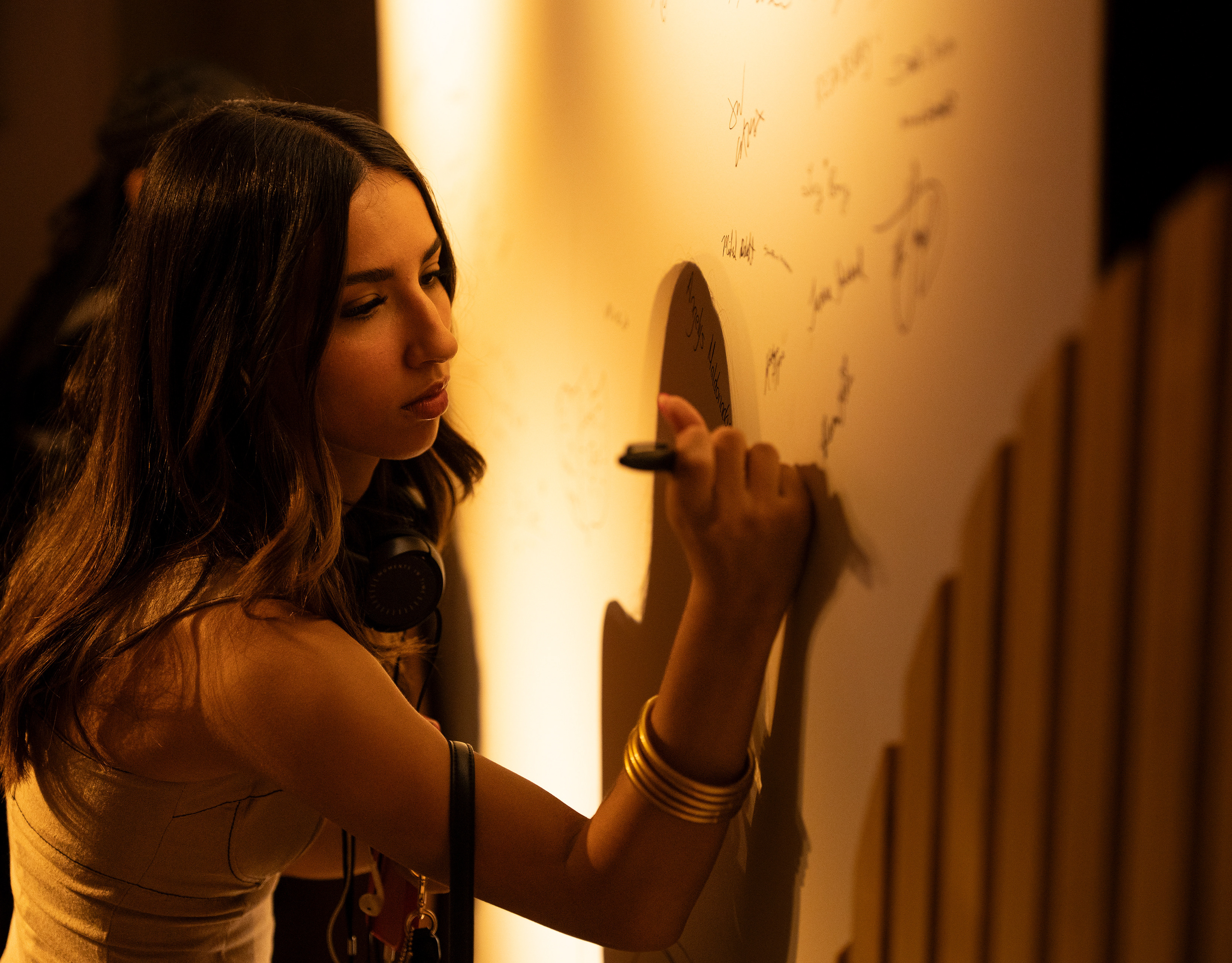
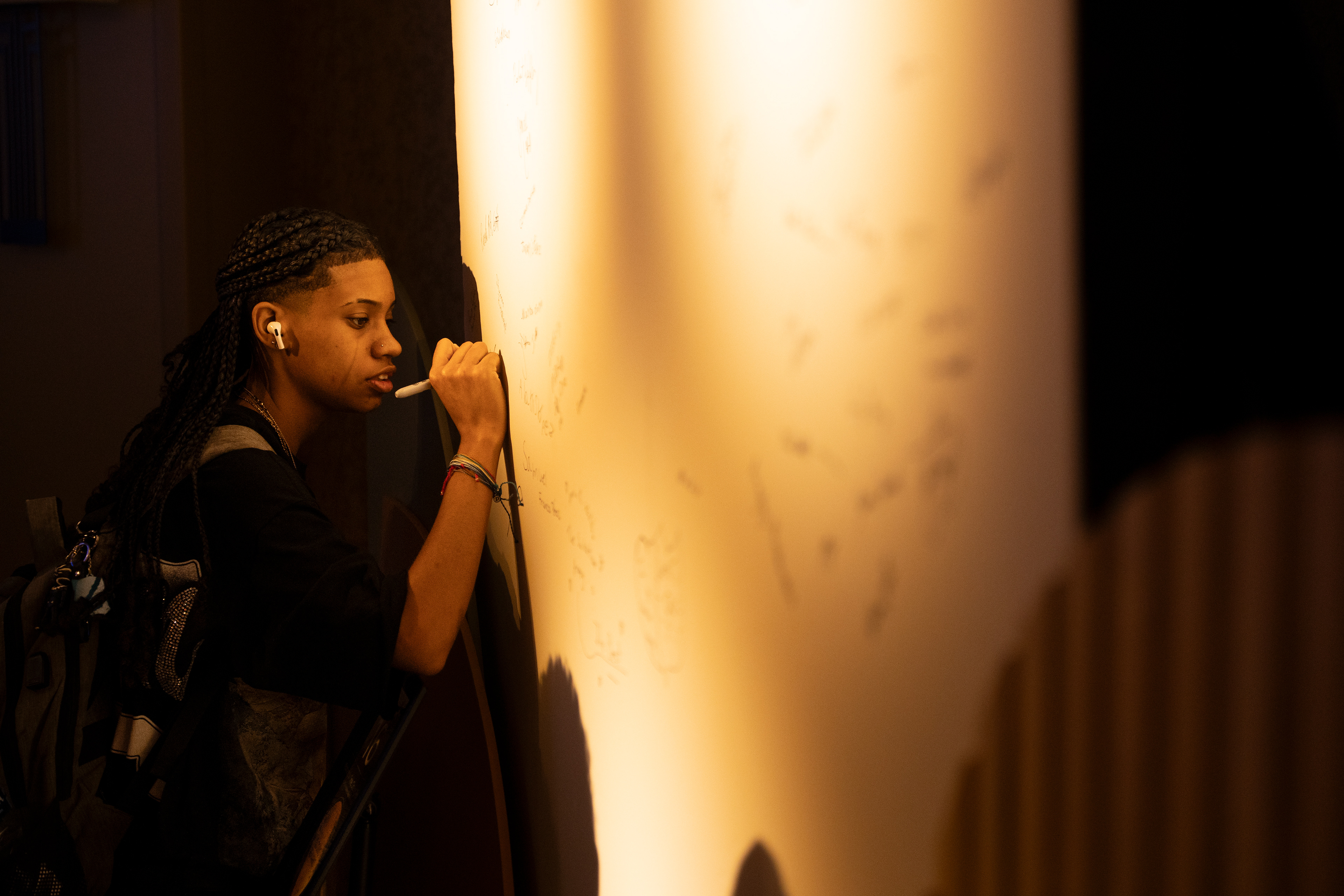
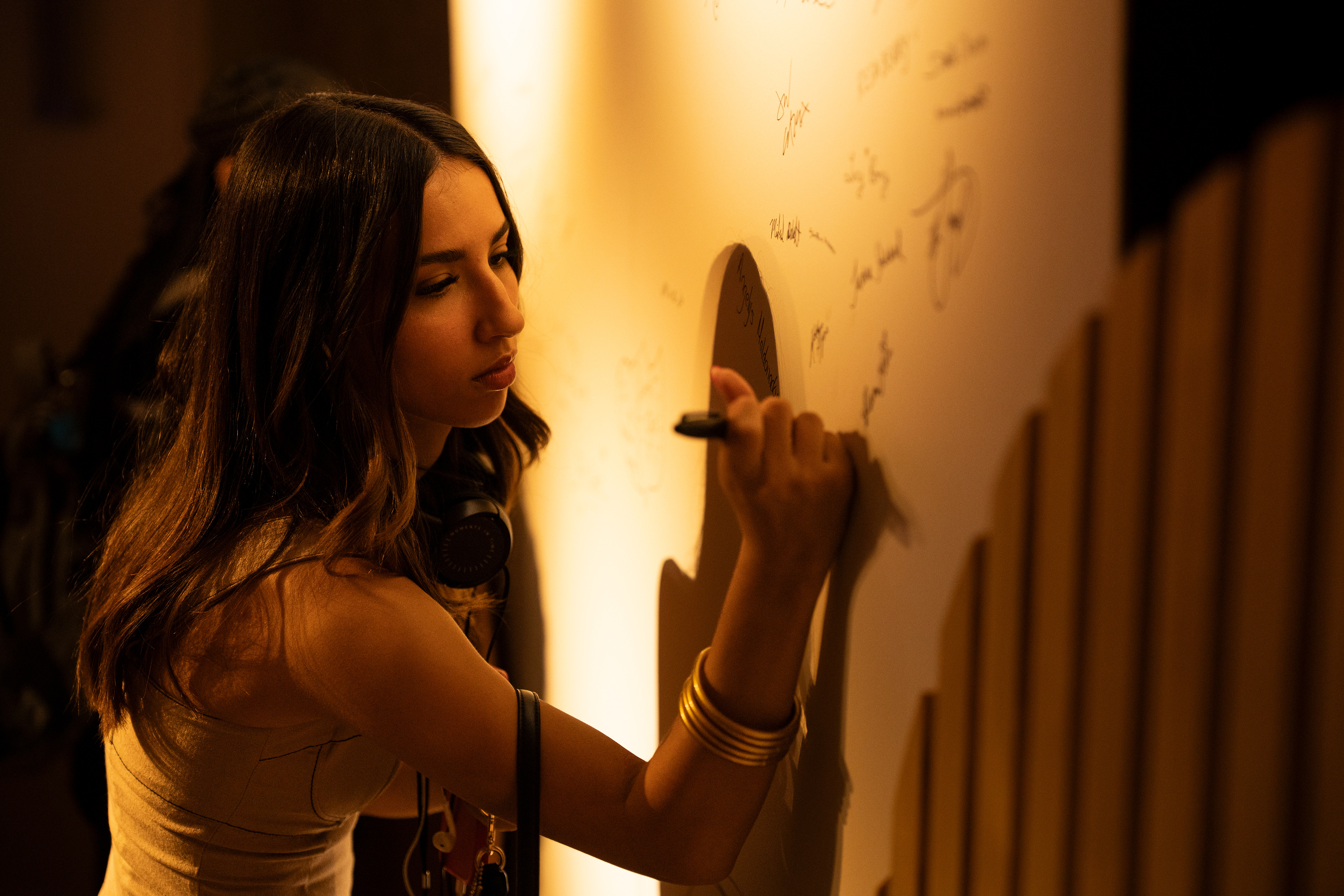
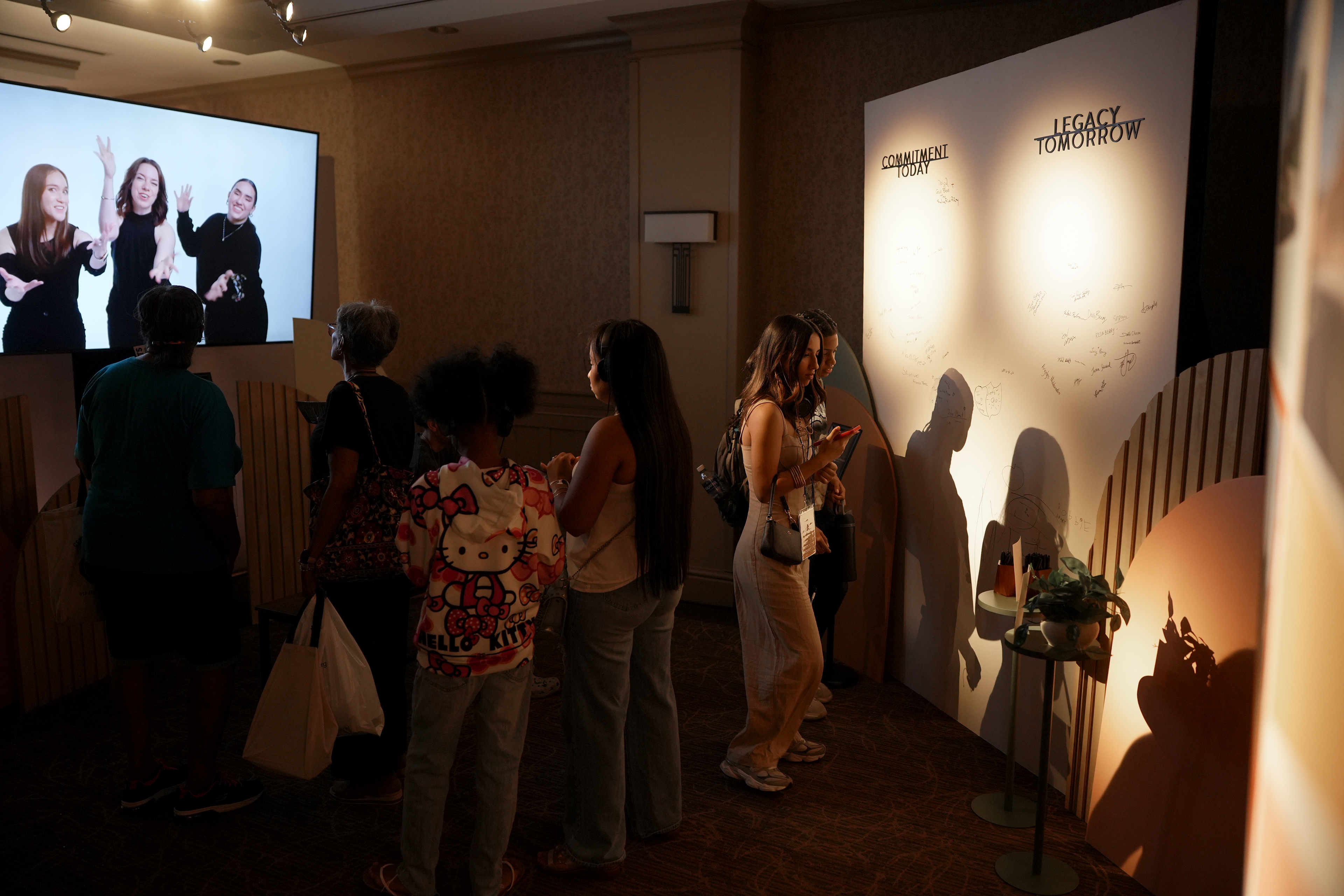
Participation: Invite visitors to become active contributors rather than passive observers.
Historical Integrity: Balance compelling storytelling with careful stewardship of historical artifacts and narratives.
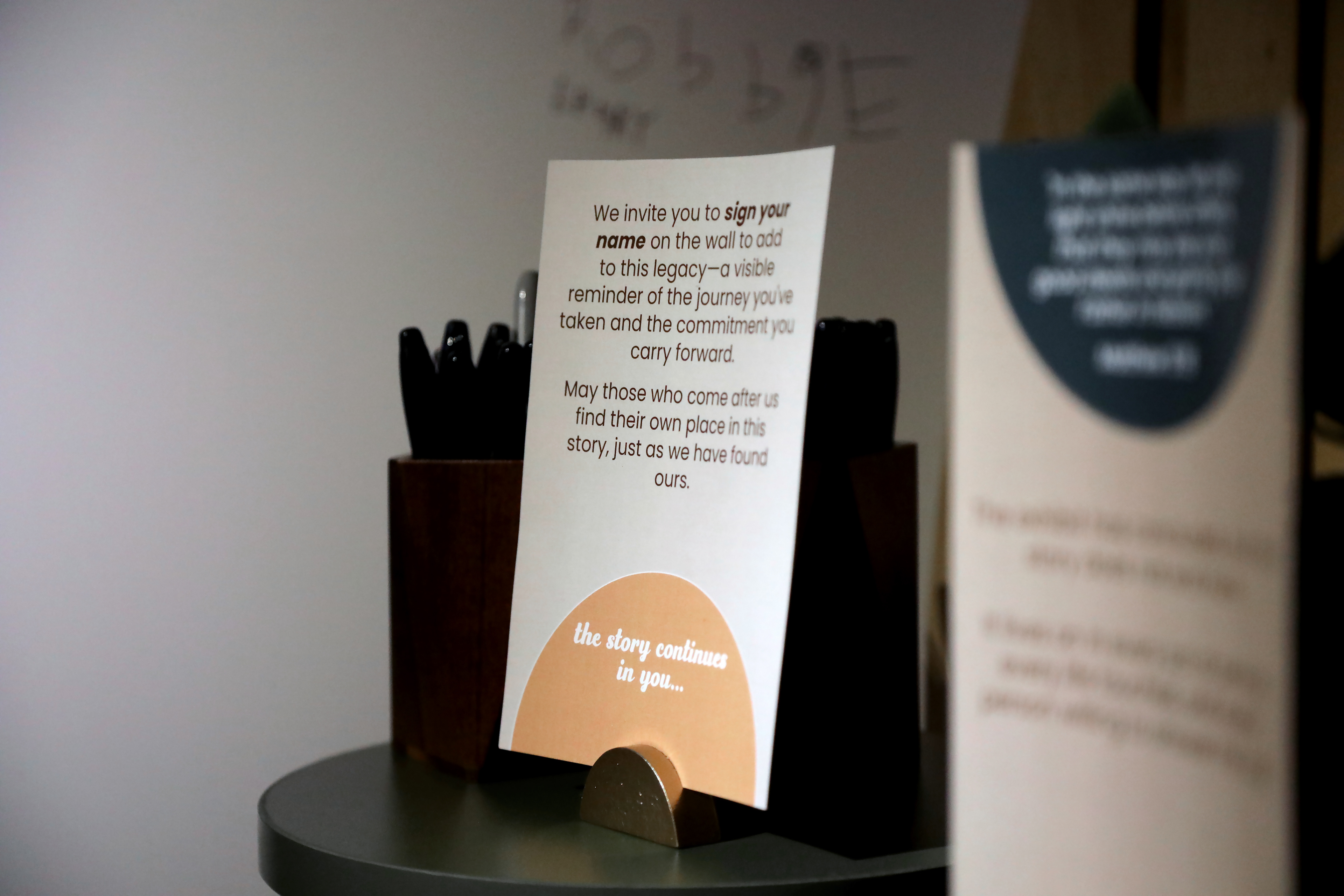
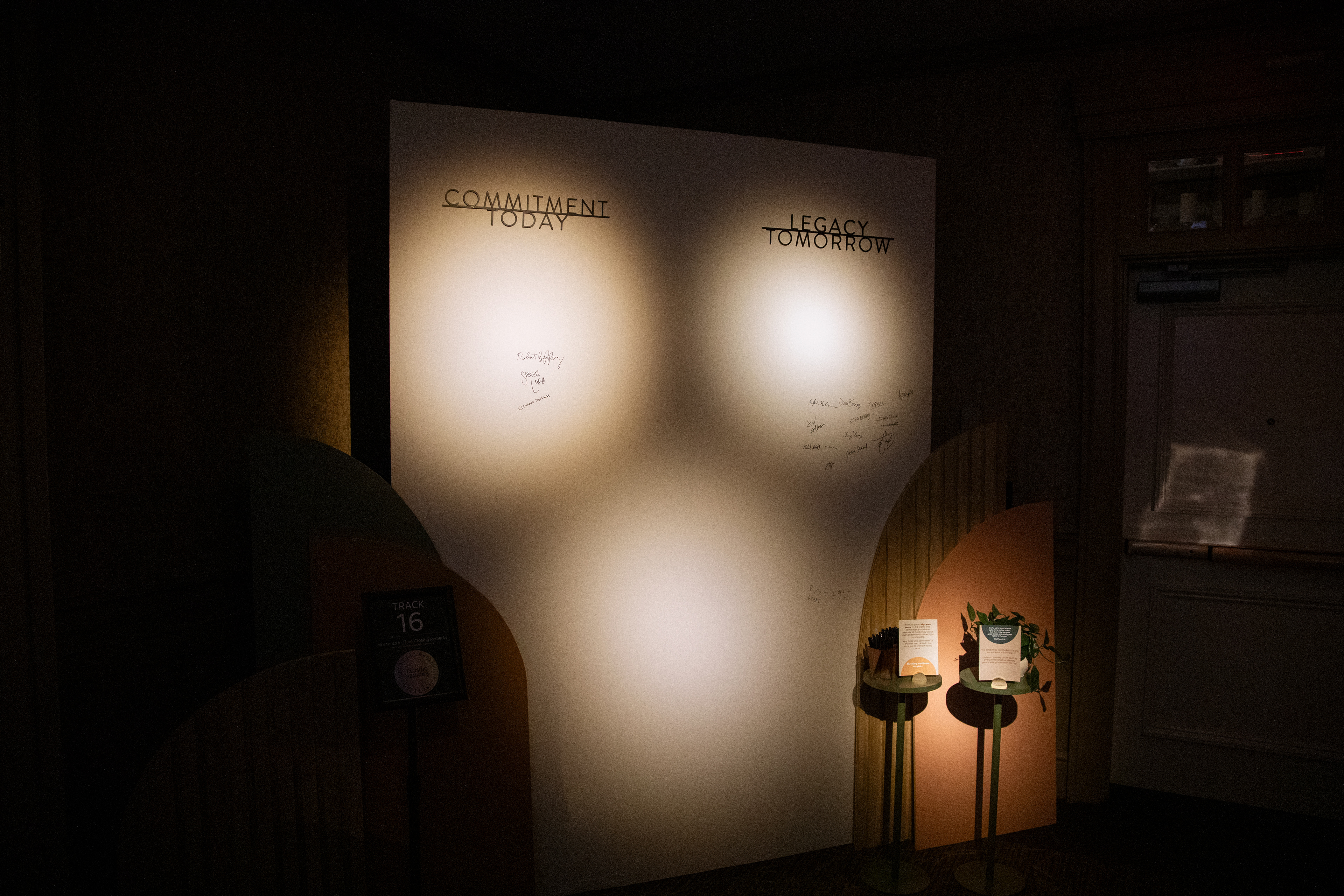
Reflection: End with an opportunity for visitors to consider their own legacy.
Designing for Every Sense
Lighting: Warm theatrical lighting created mood while directing visitors naturally from one era to the next.
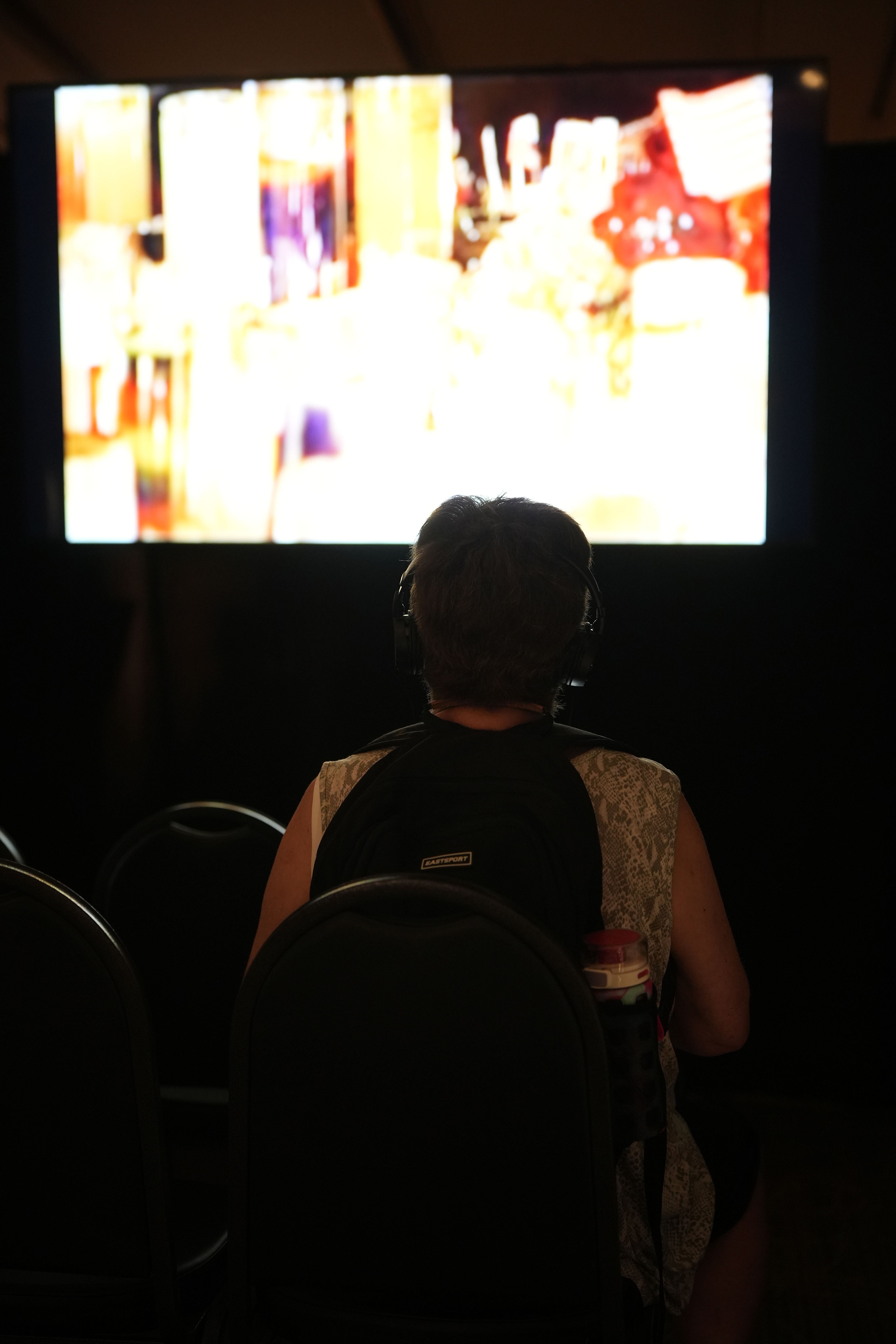
Sound: Each gallery featured narrated audio tours, soundscape, and scoring that reinforced the emotional tone of each historical moment.
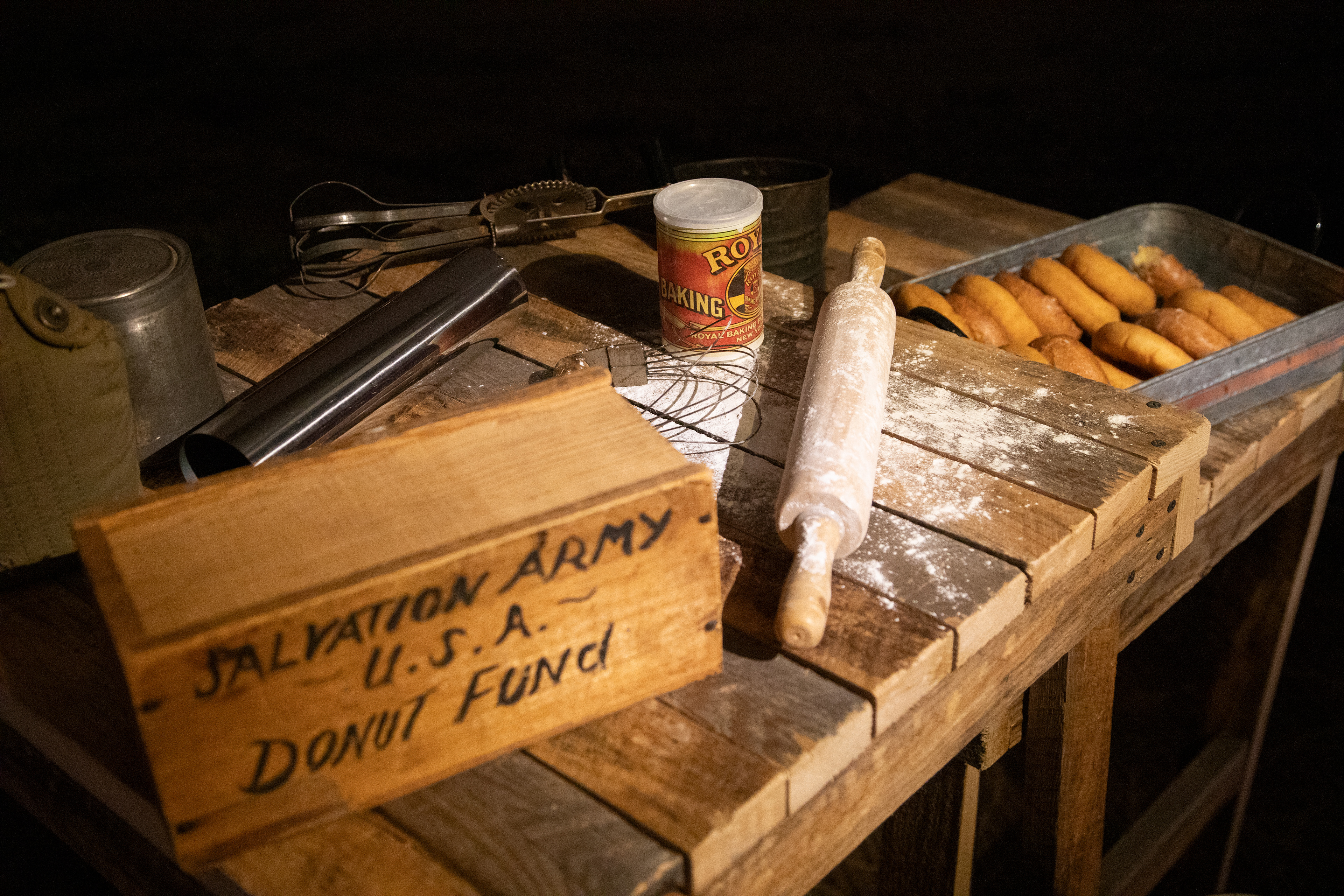
Scent: Donuts were purchased from Dunkin Donuts and installed in the Donut Lassie gallery so guests could learn about the story while associating the scent with comfort. In the 19th century Battery Park gallery, a Bath and Body Works wallflower (Sea Salt & Driftwood) was used so guests could feel transported through the warm woodsy ocean scent as they walked across a recreated dock.
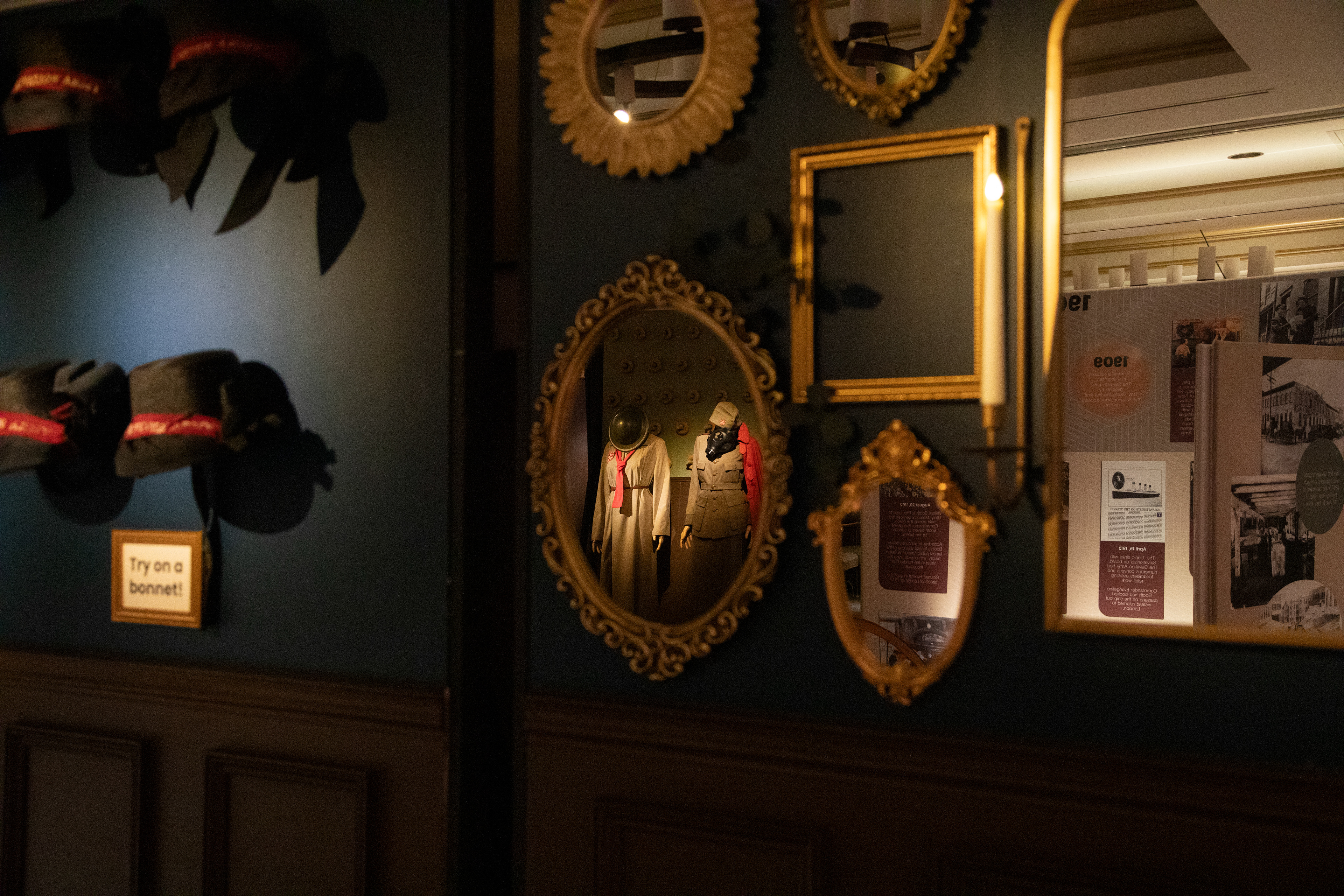
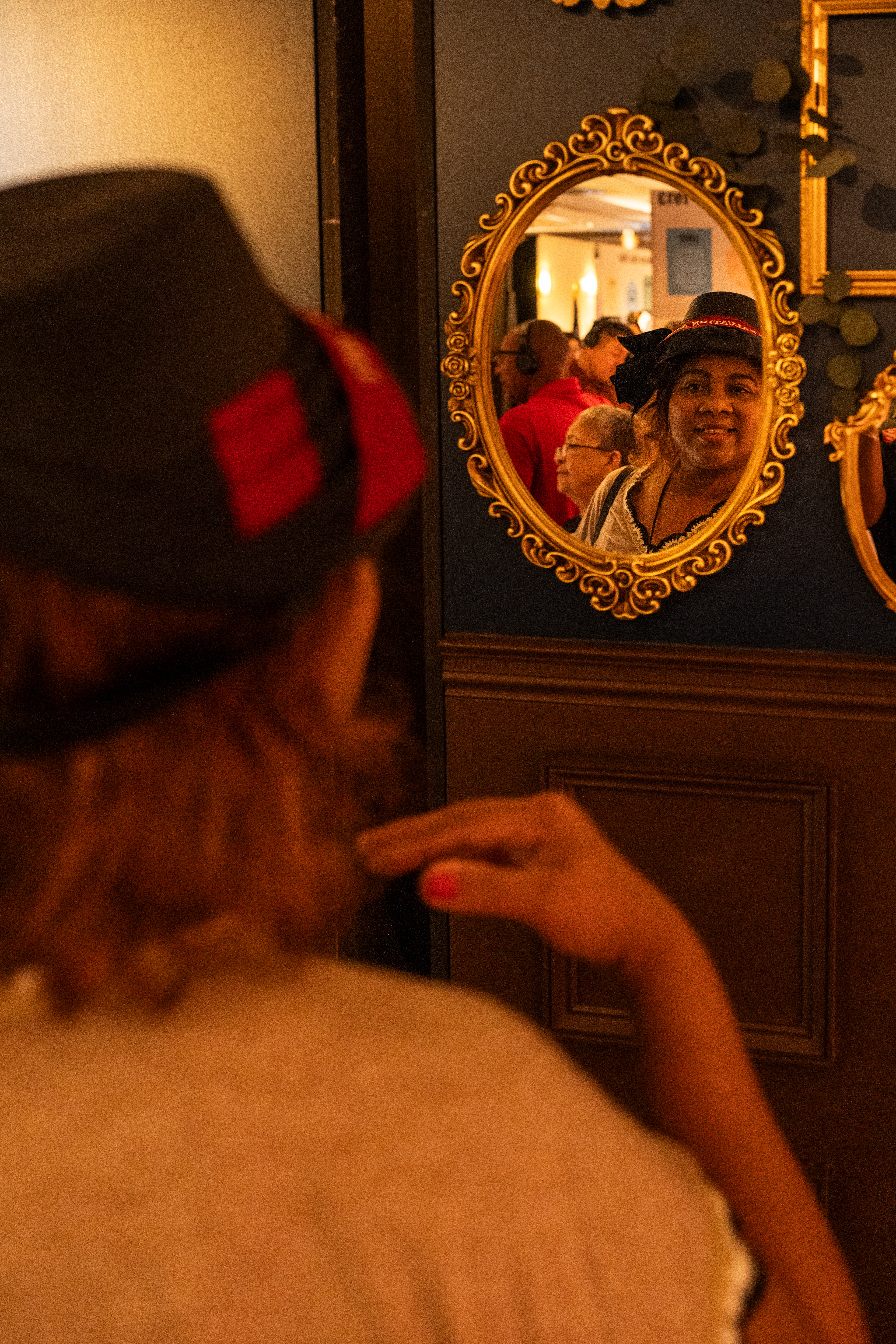
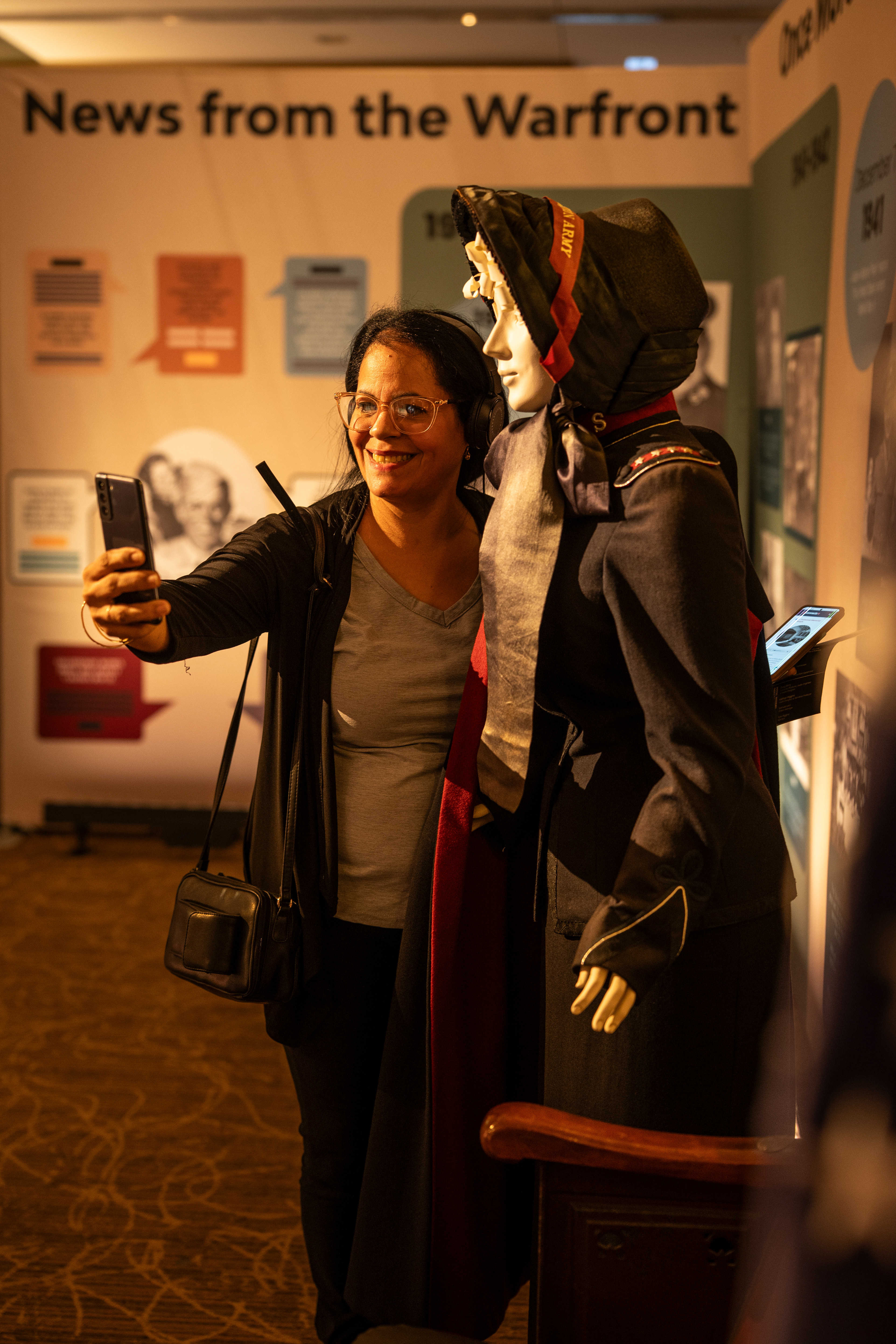
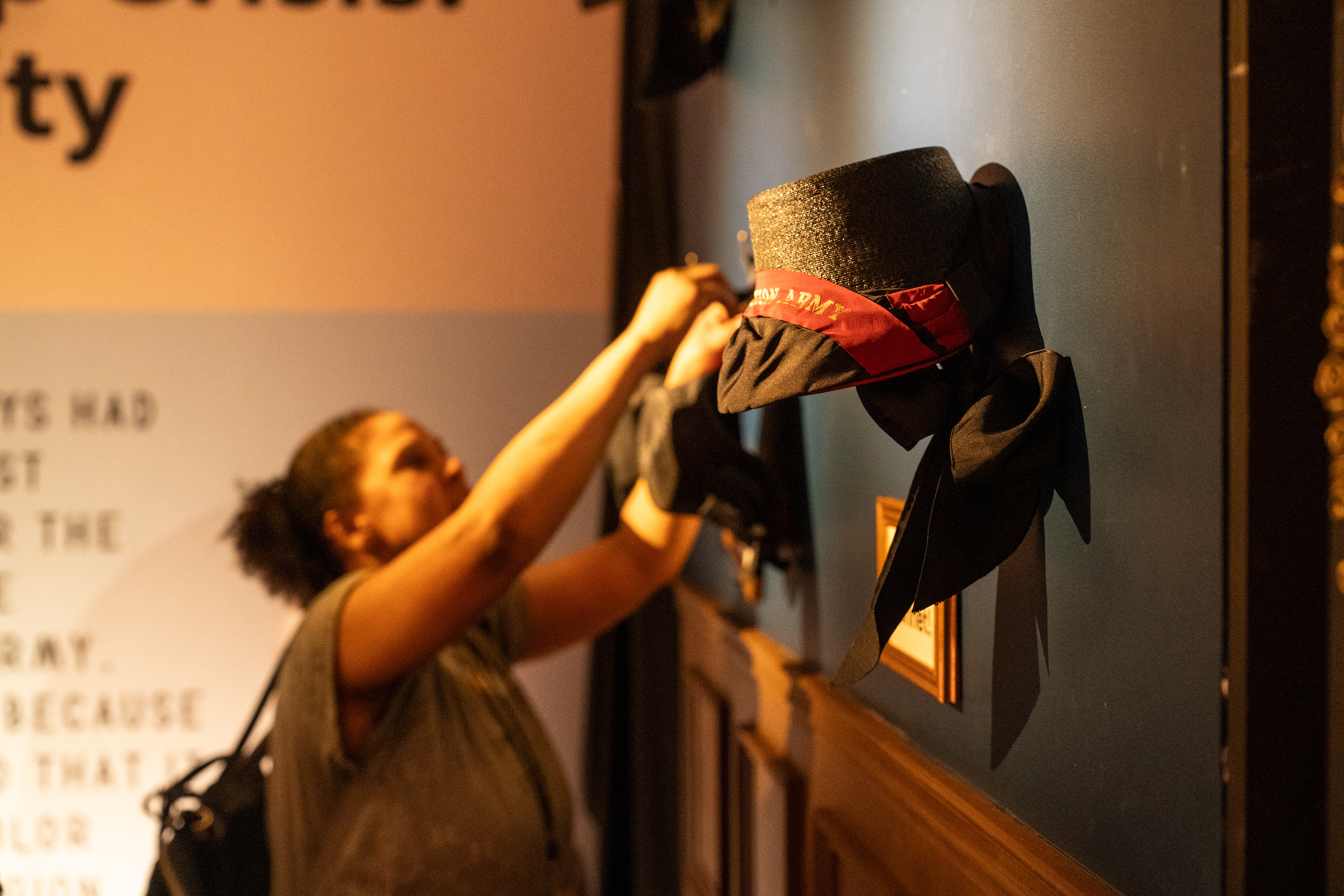
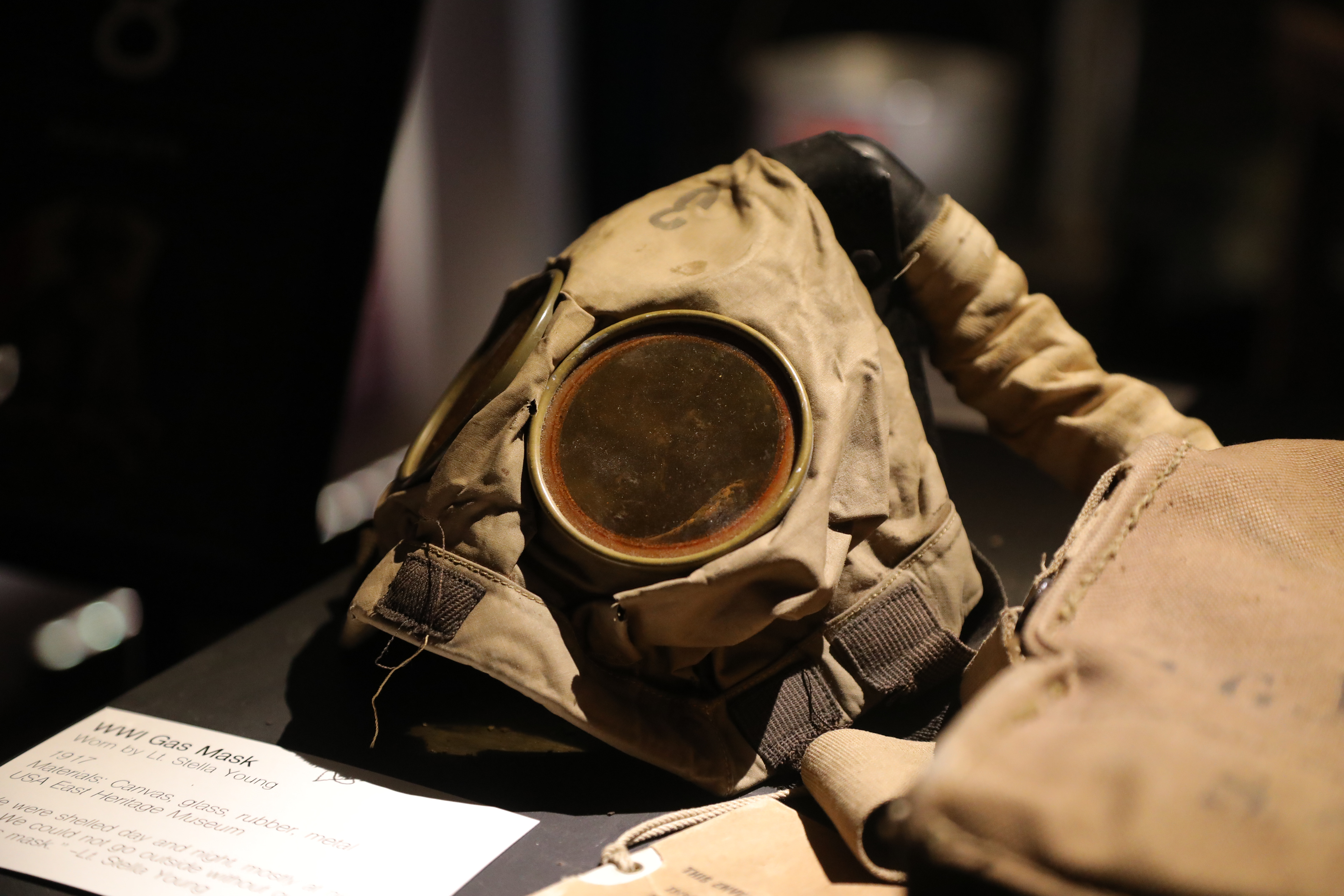
Touch: Authentic artifacts, reproduced objects, and scenic props were layered together to blur the line between exhibit and environment, helping visitors experience history rather than observing it passively. Guests were permitted to touch certain artifacts, props, and other scenic elements to enhance the experience.
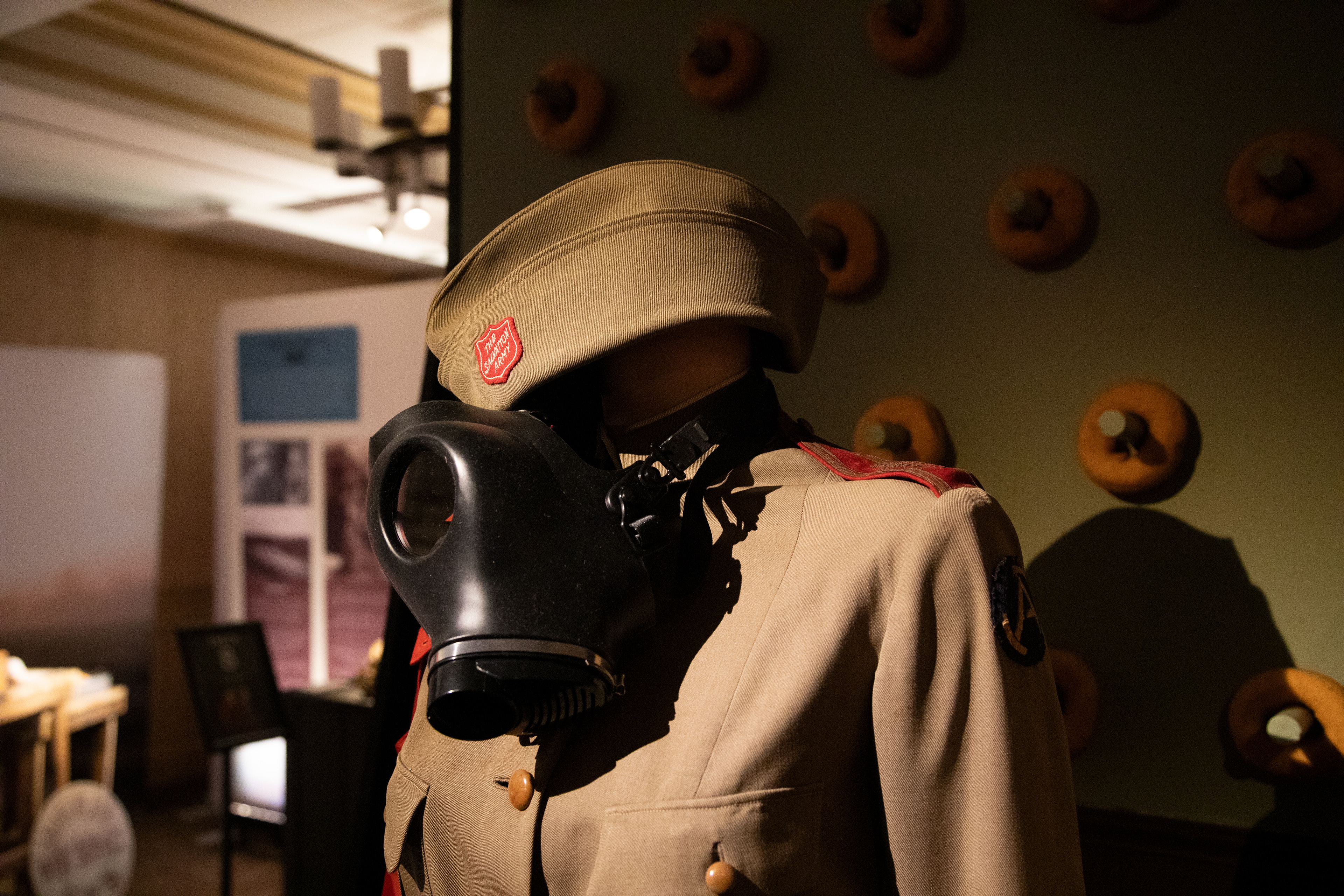
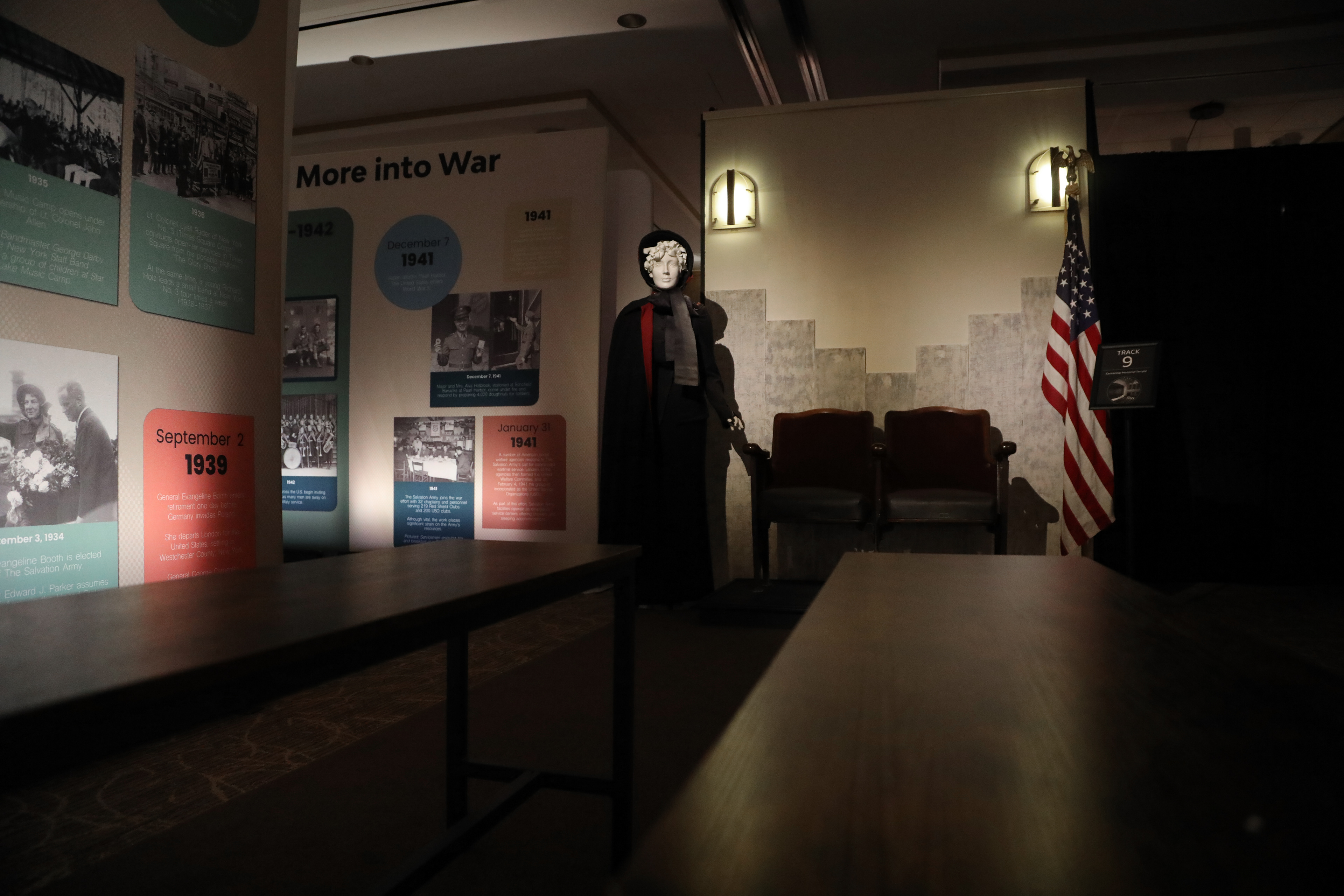
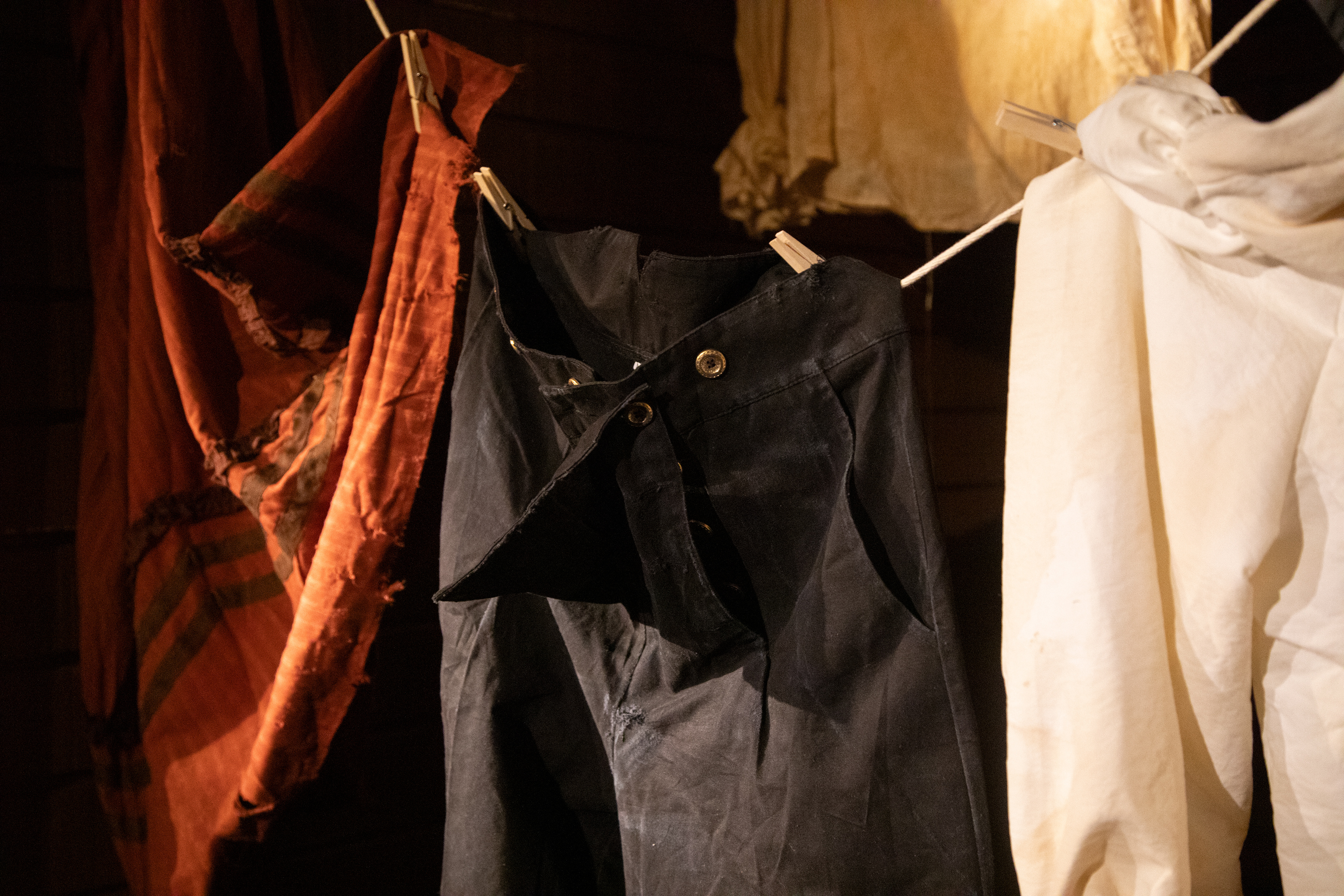
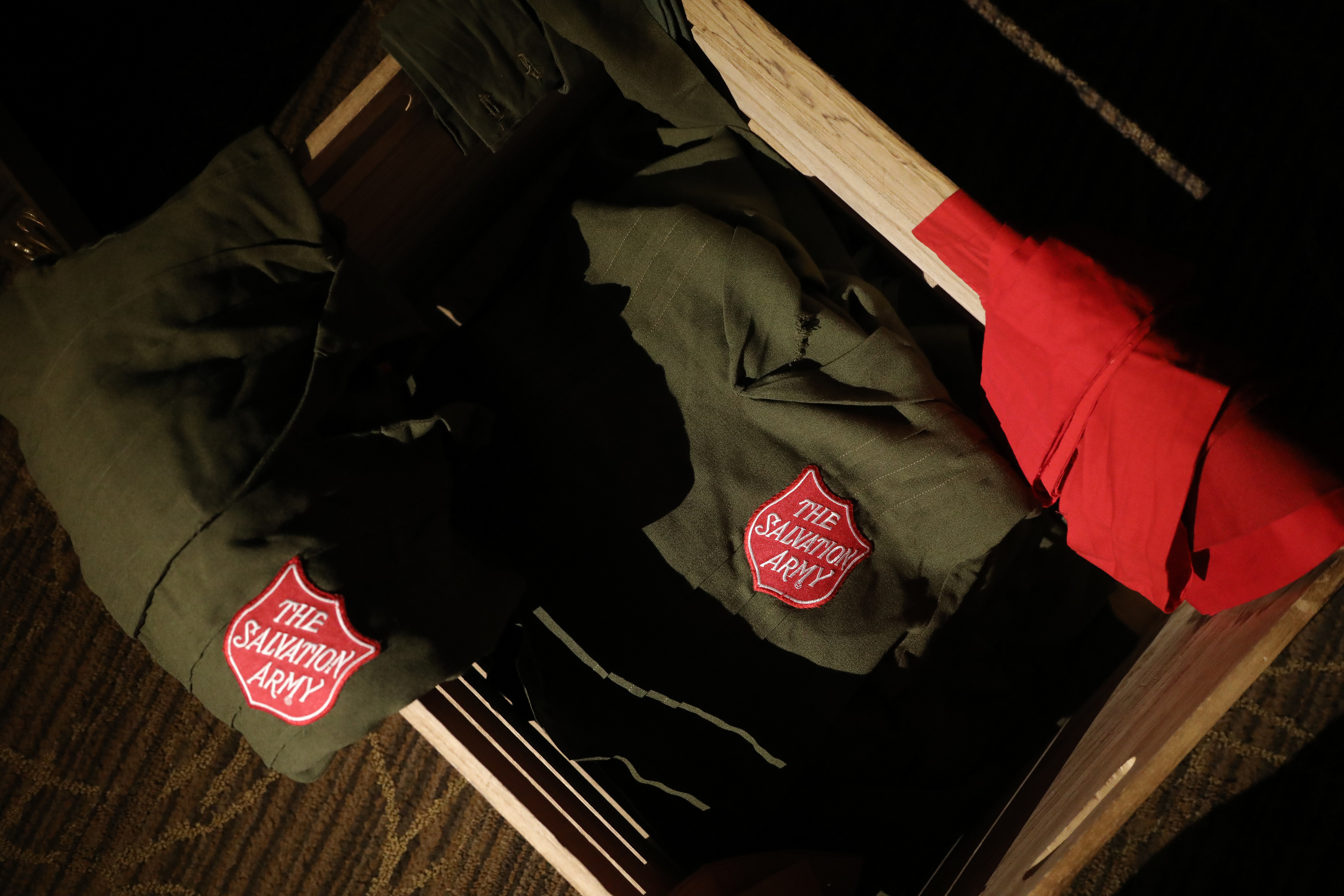
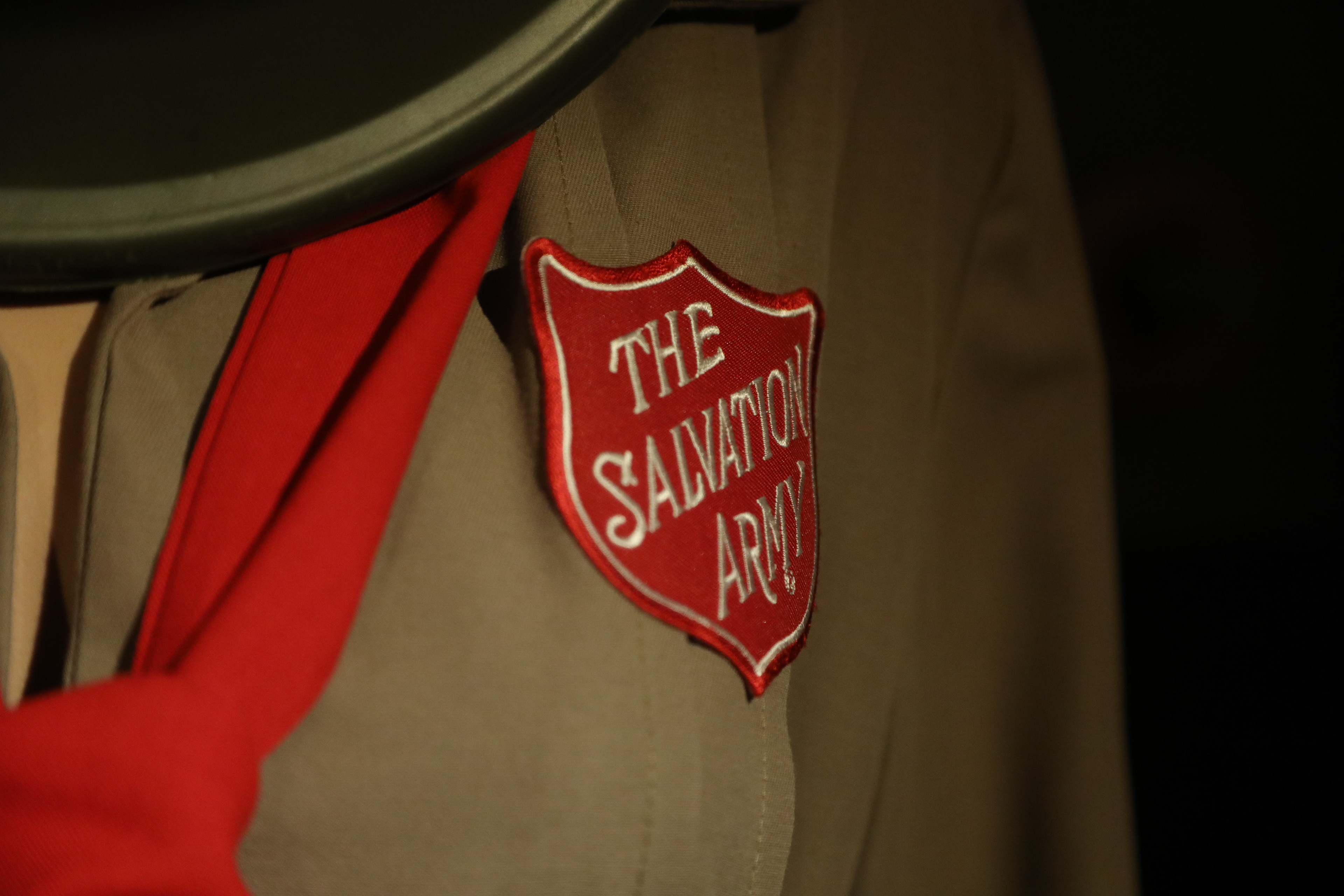
Sight: Original uniforms, wartime equipment, utensils, furniture, and recreated workspaces grounded each era in tangible history. Original period clothing was also purchased and tattered. Resa took a power sander to each article of clothing, stained them with coffee, ran them over with her car, and even asked her daughters to jump in on the fun!
Refection
Like so many institutions with a long history, the names and milestones were well known, but the people behind them had become distant.
Designing this exhibition changed that.
As Resa researched and built each immersive environment, she found herself seeing these historical figures not as names on a timeline, but as ordinary people making extraordinary choices. The more tangible their world became, the more connected she felt to their courage, sacrifice, and conviction.
That experience reinforced something she now carries into every project: people connect most deeply when they can imagine themselves inside the story. Information alone rarely changes people. Experience does. When people are invited to step into a story rather than observe it from a distance, curiosity becomes empathy, and empathy gives information lasting meaning.
She no longer thinks of design as arranging information. She thinks of it as creating opportunities for connection. Whether through an exhibition, publication, brand, or physical space, her goal remains the same—to create experiences that help people connect with something meaningful.
She hopes visitors left not only with a deeper understanding of history, but with the sense that they, too, have a role in shaping what comes next.
Reviews
"The whole thing took my breath away. The way we were literally transported into the streets with the Slum Sisters! The tribute to 9/11. The real donuts so that when you walked up to the Donut Girls, it smelled like donuts! So immersive. So beautiful. So honoring of our story."
"Extraordinary! Brought me to tears and encouraged my heart."
"A truly spectacular experience! Words truly escaped me as I exited. And as loving grace was held for me by Reeds as I composed myself is deeply appreciated. Bravo one and all!"
"I loved this highly immersive experience. So far it's my top highlight [of Congress]. GO WHILE YOU CAN!"
The Process